Table of Contents
There is something about a low fade taper that just speaks to clean confidence. You see it the moment a Black boy walks out of the barbershop with that crisp blend. The haircut frames the face without overpowering it, and it strikes that balance between sharp and laid back. Parents love it because it looks neat without feeling stiff. Kids love it because it feels modern and cool without trying too hard.
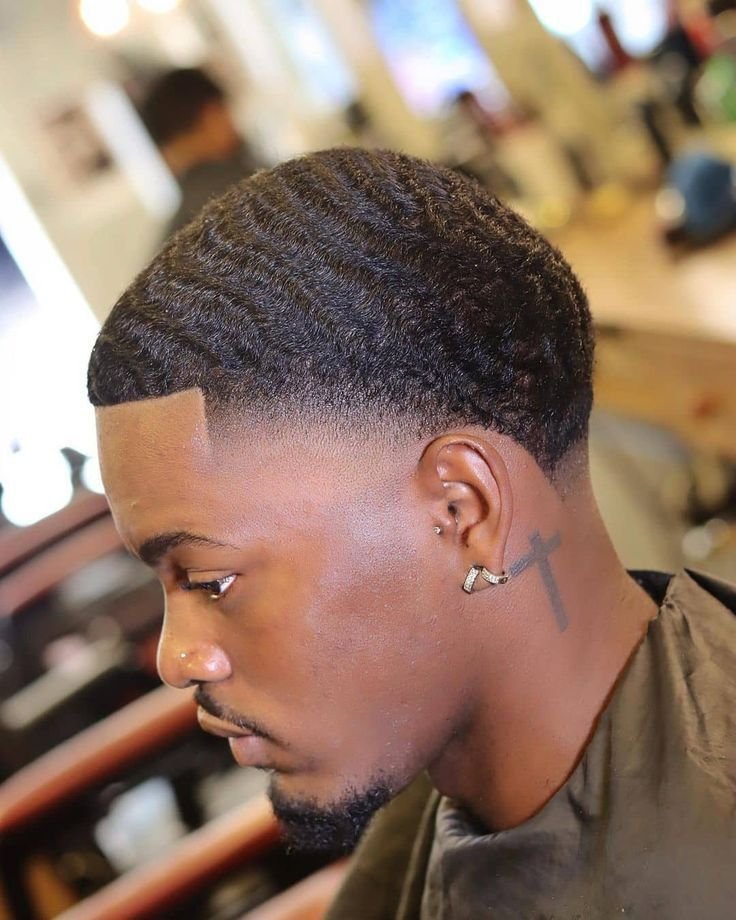
What makes this style stand out is its adaptability. It works for boys who like keeping their hair short and simple, but it also blends beautifully with curls, twists, or a natural afro top. The taper sits low on the head, so the shape stays smooth instead of dramatic. That softer transition is what gives it that clean, polished look. No harsh jumps, no choppy lines, just a gentle fade that melts into the skin.
Another reason this haircut stays popular is how easily it fits into day to day life. Whether a kid is running on the field, sitting in class, or heading to a family event, the cut stays presentable. Parents do not have to stress about constant styling or touching up edges every morning. It grows out gracefully, too. Even when the hair starts getting longer, the shape still holds for a while.
Most of all, the low fade taper carries a certain pride. For many families, the barbershop is more than a place to cut hair. It is a place where boys learn to feel confident, stylish, and seen. A good low fade taper amplifies that feeling. It is fresh, timeless, and always in season.
How Barbers Shape the Perfect Low Fade
Watching a skilled barber work on a low fade taper feels almost like watching an artist. Every movement is intentional. They are not just cutting hair, they are sculpting the perfect blend. A barber usually starts by mapping out the taper zone. Since it is a low fade, that transition sits close to the ears and neckline, not high up on the head. The barber gradually reduces length with steady strokes, never rushing the blend.
The magic is in the control. A low fade taper needs precision because even the smallest imbalance can break that smooth gradient. Barbers use a combination of clippers, guards, and sometimes open blades to melt the hair down seamlessly. Once the fade starts forming, the barber steps back and looks at the head from different angles, checking how the blend catches the light. A clean low fade always looks good in motion, not just straight on.
The taper around the neckline is another key detail. Instead of squaring everything off sharply, the barber gently softens the lower corners. This keeps the haircut from looking too harsh on younger boys. A soft taper hugs the natural curve of the neck, making the entire style feel lighter and more natural.
Then comes the top. Whether the boy prefers waves, curls, or a cropped length, the barber makes sure the top and fade connect smoothly. The goal is harmony, not contrast. Most barbers finish by brushing away loose hairs, checking the edges, and ensuring the fade sits evenly on both sides.
When you see a perfect low fade taper, you know the barber took their time. This is not the kind of cut you rush. It is the kind that shows skill, patience, and real understanding of Black hair.
Choosing a Low Fade Taper That Fits Your Kid’s Style
Every child has their own personality, and the right low fade taper brings that out instead of hiding it. Some boys love sporty, low maintenance cuts. For them, a simple low taper with a short top works flawlessly. It stays neat even after hours of running around, and it needs almost no styling. Parents appreciate that kind of ease.
Other boys like a bit more flair. They may want a curl top with a low taper that sets their texture on full display. That look feels fun and expressive without being over the top. And because the fade sits low, it keeps the hairstyle balanced. Boys who enjoy creative or artistic styles might go for sponge twists or mini coils paired with the taper. It adds personality without sacrificing that clean finish.
Some kids are quieter and prefer a classic look. For them, a cropped top with a soft line up blends maturity with simplicity. The taper helps shape the head naturally, so the style feels tidy without shouting for attention.
It also helps to consider lifestyle. Is the child active? Is their hair thick or fine? Do they prefer natural curls or a brushed top? The beauty of a low fade taper is that it adjusts to all these questions. There is no one version of it. You simply tailor it to the kid.
When a parent walks into the barbershop with a clear sense of their child’s style, the barber can create a cut that not only looks good, but feels right. A haircut should reflect who the kid is, and a low fade taper makes that easy.
Texture Matters in Every Low Fade Taper
One thing that truly shapes a low fade taper Black boys is the hair texture. Curls come in so many patterns, from tight coils to soft waves, and each one reacts differently to a fade. A good barber understands how these textures behave even before the first clipper touches the head.
For tighter curls and coils, the fade helps create clean structure. The taper keeps the shape controlled, while the curls on top add personality and volume. The contrast is gentle, not sharp, and it works beautifully on young boys who have denser hair. With medium curl patterns, the fade appears softer because the curls fall more loosely. This type of texture gives the cut a natural flow, like everything blends without effort.
Growth direction is another detail people often overlook. Some boys have hair that grows in small spirals. Others have sections that grow upward or sideways. A barber pays attention to these patterns so the fade does not fight against the natural movement. Instead, it works with it, giving the haircut a smooth, even look.
Hair density also matters. Thicker hair creates a more dramatic blend even with a low fade because the contrast is stronger. Finer hair yields a gentler transition that looks soft from every angle. This is why the same low fade taper can look completely different on two kids, even with the same top length.
Texture does not complicate the low fade taper. It enhances it. When the barber respects the natural curl pattern, the haircut feels like it truly belongs to the child. And that is when you get a style that looks effortless but stands out every single day.
Popular Low Fade Taper Black Boy Haircuts Right Now
A low fade taper offers endless room for creativity, which is why so many trending styles today start with this base. One favorite among parents is the short curly top. It keeps the curls defined and soft while allowing the fade to frame the face neatly. Boys who like a little extra personality often go for sponge curls. The texture adds fun volume without feeling messy, and the taper keeps everything controlled.
Another style that is gaining popularity is the twist top. Small twists give the hair a stylish, textured look that lasts longer than loose curls. Paired with a low fade taper, it feels modern and expressive without being high maintenance. Kids who enjoy a more classic vibe often choose short waves with a taper. This look is clean, smooth, and timeless, especially when the waves are brushed neatly.
For boys with a bold streak, a low taper with is a top has become a trend as well. It is subtle enough for school but expressive enough to show personality. The low fade softens the overall shape, making the look approachable.
Then there are the boys who want to keep it simple. A classic cropped top with a low taper never goes out of style. It is one of those haircuts that works in every season and on every head shape.
What makes these styles stand out is the way they pair neatness with individuality. A low fade taper acts as the foundation while the top defines the child’s style. When both come together, the result is a haircut that looks fresh, feels comfortable, and grows out beautifully.
Keeping the Fade Fresh at Home
A low fade taper might look polished, but it does not demand complicated daily care. A simple routine is usually enough to keep it looking sharp between barbershop visits. Most parents start with moisture. A lightweight leave in keeps curls soft, prevents dryness, and helps the top hold its shape. A quick brush or curl sponge pass in the morning can refresh the texture without much effort.
What really keeps the cut looking crisp is maintaining the hairline between visits. Not by reshaping it, but by gently brushing away loose curls that start settling over the edges. A soft bristle brush works best for younger boys. For kids who play sports or sweat often, a quick rinse during the week keeps the scalp clean and prevents build up that can dull the fade.
The beauty of this style is that it grows out gracefully. Even when the fade starts losing that fresh barbershop contrast, the shape still holds. As long as the hair stays moisturized and slightly styled on top, the whole look stays neat. Home care does not need to be perfect. It just needs to support the natural flow of the haircut.
When It’s Time for a Touch Up
Most boys need a touch up every one to three weeks depending on how fast their hair grows. The signs show naturally. The clean blend starts rising higher, the neckline gets fuzzy, and the top begins to lose that defined shape. These changes are normal. They simply signal that the haircut is settling into its next stage.
Parents usually notice the neckline first. When those soft tapered edges start to blur, the cut loses its clean outline. Another hint is uneven growth around the ears. Since the low fade sits close to that area, it becomes the first place where the cut looks different as the days go by.
Boys with thicker curls or coils may need more frequent visits because dense hair creates faster contrast. Kids with looser curls often go longer between appointments. The schedule does not need to be rigid. It just needs to feel right for the child’s comfort. A well timed touch up keeps the cut looking smooth without ever feeling forced or over maintained.
Helping Kids Feel Good in the Chair
A barbershop can feel lively and loud, especially for younger boys, so helping them feel relaxed makes a big difference. Parents often start by letting the child meet the barber before the clippers turn on. A simple greeting builds trust and eases nerves. Barbers who work with kids know how to keep the mood light. They ask easy questions, make small jokes, or talk about things the kid enjoys.
Comfort matters too. Bringing a familiar toy or letting the child hold a phone can help keep them still without pressure. Some kids prefer watching the mirror while others focus on the floor. There is no right or wrong. What matters is that the child feels safe.
Once the barber begins, explaining each step in simple words helps. Saying things like you will feel a little buzz on your neck or this part might tickle prepares the child. When kids know what to expect, they stay calmer and more confident. A positive shop experience makes them look forward to future haircuts instead of fearing the chair.
What Parents Should Tell the Barber
Clear communication is the key to getting the exact low fade taper you want. Parents do not need to know barber terms. They just need to describe the look in real, simple language. Start by saying you want a low taper, which tells the barber to keep the fade close to the ear and neckline. Then mention how you want the top to look. Whether it is curls, waves, or a short even length, describing the texture helps the barber match your vision.
It also helps to say how sharp or soft you want the line up. Some boys look great with crisp edges while younger kids often look better with gentler ones. If you have a reference photo, bring it. Barbers appreciate visuals because they remove guesswork.
Mention how often your child gets haircuts too. This helps the barber decide how tight or loose the fade should be. The more details you share, the more tailored the cut becomes. A quick, honest conversation at the start makes the entire haircut smoother.
Why This Style Stays a Favorite Year After Year
The low fade taper has a staying power that few hairstyles can match. It is simple enough for everyday wear yet stylish enough to feel special after every barbershop visit. The cut highlights natural texture instead of hiding it, and it works on boys of all ages and personalities.
Parents appreciate how clean and manageable it is while kids enjoy how fresh it looks without needing constant styling. It carries a sense of culture and pride because the barbershop is more than a place for grooming. It is a space where boys feel confident and connected.
What truly keeps this style around is its versatility. Trends come and go, but a clean blend and a well shaped top never lose their appeal. Whether the child wants waves one month and twists the next, the low taper adapts without losing its charm. It is a dependable, timeless choice that continues to look right in every season and every stage of childhood.