Table of Contents
If you’ve spent any time flipping through barbershop Instagram feeds or walking past stylish street corners, chances are you’ve noticed it: the taper fade comb over. It’s one of those hairstyles that quietly commands attention without screaming for it. There’s a reason it’s become a staple for men who want a look that’s sharp, versatile, and undeniably modern.
At first glance, the appeal seems simple: clean lines, a smooth transition from short to long, and a neat combed-over top. But dig a little deeper, and you’ll see the artistry behind it. The taper fade comb over isn’t just a haircut; it’s a statement. It says you care about your appearance, but you’re not overdoing it. It strikes the perfect balance between casual flair and professional polish, which is why it has become the go-to choice for young professionals, creatives, and trendsetters alike.
Part of the charm lies in its adaptability. The fade—whether low, mid, or high—frames the face, emphasizing jawlines, cheekbones, and even a hint of personality. The comb over, on the other hand, introduces movement and style. This combination allows for endless variations, from a conservative office-friendly version to a more daring, edgy street style. You can subtly adjust the length on top, change the direction of the comb, or tweak the fade’s height, and suddenly you have a whole new vibe.
Another reason the taper fade comb over resonates with so many men is the storytelling aspect of the cut. Barbers often describe it as “a haircut that grows with you.” When done right, the fade softens over time as the hair grows, keeping you looking polished even a few weeks after your visit. That slow, natural evolution of the hairstyle is something rare in today’s world of ultra-maintenance haircuts. It’s forgiving yet stylish—a combination that few other cuts can offer.
Let’s not forget the social proof factor. Walk into any trendy café or networking event, and you’ll see it everywhere. From actors on red carpets to musicians in music videos, the taper fade comb over consistently appears on men who know how to make a statement without shouting. And the best part? It’s not locked to any single age group or style culture. Whether you’re a college student experimenting with your first grown-up haircut or a professional refining your signature look, this hairstyle adapts seamlessly.
But perhaps the most underrated charm of the taper fade comb over is the confidence it brings. There’s something about having clean, well-structured hair that changes the way you carry yourself. You walk taller, engage more, and even approach conversations differently. It’s the kind of style that doesn’t just alter your appearance—it subtly shifts your attitude. And let’s be honest, that’s the ultimate goal of any good haircut: looking sharp while feeling unstoppable.
In short, the taper fade comb over isn’t just popular because it looks good. It’s a versatile, confidence-boosting, timeless choice that has earned its place in modern grooming culture. The charm lies in its balance—between clean and stylish, professional and edgy, simple and detailed. Once you try it, it’s hard to go back to anything else.
Understanding the Taper Fade
Before you even think about styling a comb over, it’s crucial to understand the backbone of the look: the taper fade. Many people underestimate just how much a well-executed fade can transform a hairstyle. It’s not just a technical cut; it’s the framework that gives the comb over its structure, flow, and overall impact.
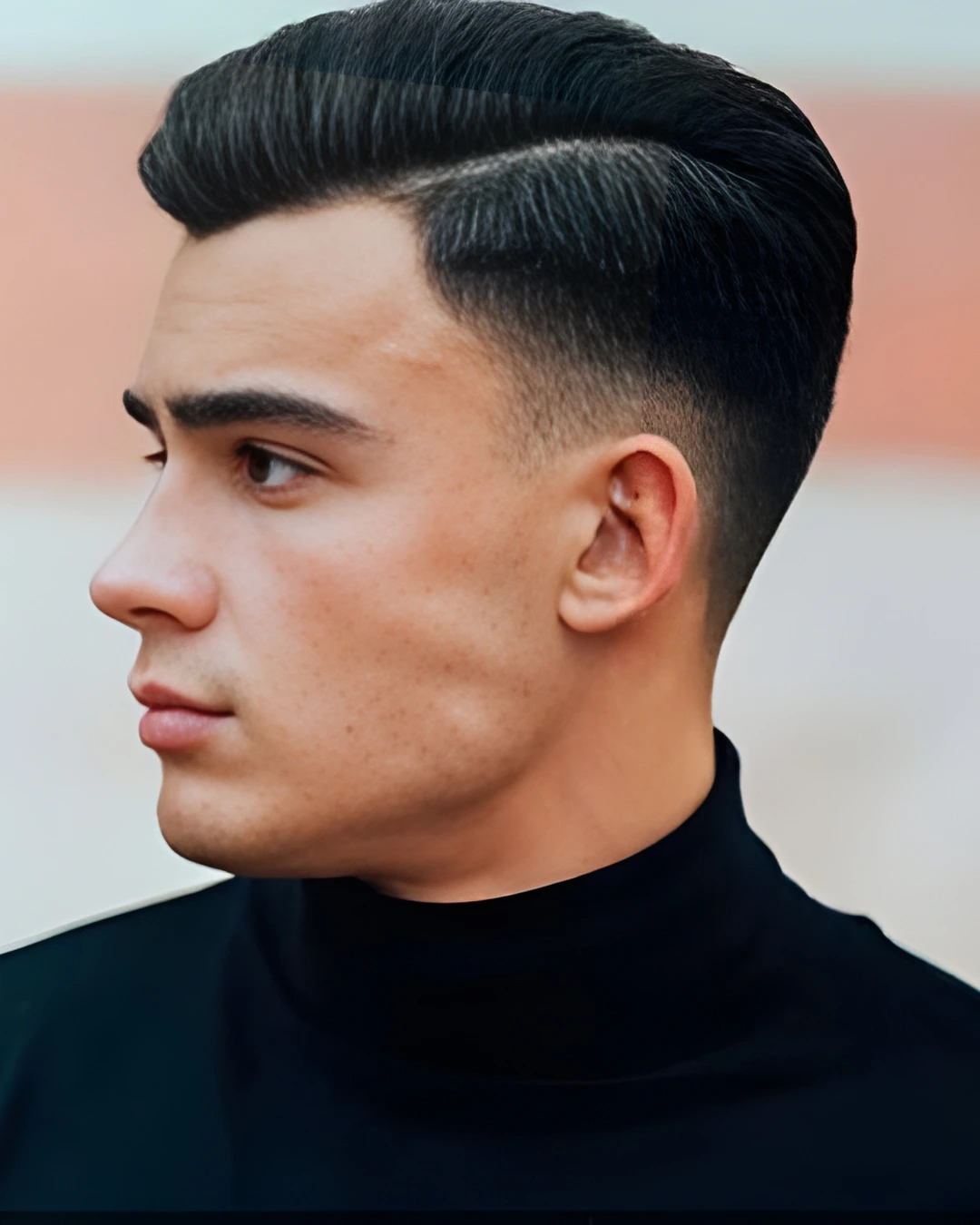
So, what exactly is a taper fade? In simple terms, it’s a gradual reduction in hair length from the top of the head down to the sides and back. But the magic happens in the gradient—the seamless blending that creates a polished, dimensional look. A fade isn’t just about shaving the sides; it’s about crafting a visual rhythm that guides the eye naturally from long to short. Done poorly, it can look choppy or uneven. Done right, and it elevates even the simplest comb over into a style that looks intentional and sophisticated.
There are three primary types of taper fades: low, mid, and high. Each offers a different personality and level of contrast. A low taper fade starts just above the ears, giving a subtle, understated appearance. It’s ideal for workplaces, formal events, or anyone who prefers a more classic look. A mid taper fade sits between the low and high zones, offering a balanced approach that works in almost any setting. It’s the perfect everyday fade for someone who wants style without being too flashy. Then there’s the high taper fade, which starts near the temples or crown. This creates a bold, edgy contrast with the comb over and is a favorite among trendsetters and those willing to make a statement.
Face shape plays a big role in choosing the right fade. Round faces often benefit from a high fade that elongates the face, while oval or square faces can handle lower fades without losing balance. Hair type matters too. Thick hair can handle more dramatic contrasts, while fine hair looks better with subtler blending. Understanding these nuances helps ensure that your taper fade comb over doesn’t just follow a trend but actually complements your features.
Another key point is that the fade isn’t static. As your hair grows, the taper subtly changes, which can either enhance the look or make it messy if not maintained. That’s why a skilled barber who knows how to tailor the fade to your hair texture and lifestyle is essential. They’re the ones who can ensure the transition from short to long is so smooth it almost looks like the hair is naturally sculpted that way.
The taper fade also adds versatility to the comb over itself. It creates room on top for styling, allows for volume, and accentuates the direction in which you comb your hair. Without a properly executed fade, even the best comb over can look flat or sloppy. Essentially, the fade sets the stage, and the comb over performs the show.
In short, understanding the taper fade is more than just knowing terms like low, mid, and high. It’s about appreciating how hair length, face shape, and precision blending come together to form a hairstyle that’s polished, adaptable, and timeless. Nail the fade, and the comb over becomes effortless, making it one of the most confident and stylish choices a man can make.
Mastering the Comb Over
Once you’ve got the perfect taper fade, the next step is mastering the comb over. At first glance, it might seem simple—just comb your hair to the side, right? But the truth is, a great comb over is an art form. It’s about understanding hair direction, texture, and movement while maintaining a look that feels effortless rather than forced.
The first key decision is the part. Some prefer a defined side part, which instantly adds a touch of classic sophistication, while others go for a more natural flow, letting the hair fall where it wants. Both work beautifully, but the choice affects the overall vibe. A hard part gives a sharp, professional impression, perfect for office environments or formal events. A soft, natural part leans casual and relaxed, ideal for weekends or creative spaces. The trick is to experiment and see which suits your face and lifestyle.
Length and texture on top also make a world of difference. Too short, and your comb over looks flat and lifeless. Too long, and it can feel unmanageable or messy, especially if your fade is dramatic. Medium length tends to hit the sweet spot, giving enough volume to style while keeping the lines clean. Textured hair, whether naturally wavy or straight, adds depth and dimension, making the comb over feel dynamic. Many men underestimate the value of texture—it’s what separates a generic comb over from a truly stylish one.
Styling technique matters just as much as the cut. Start with slightly damp hair, then use a quality comb or brush to direct the hair into place. Avoid over-brushing; the goal is controlled movement, not rigidity. Blow-drying is your secret weapon if you want extra volume or a polished finish. By directing the airflow from roots to tips, you can shape the hair naturally without flattening it against the scalp.
Common mistakes are easy to make but equally easy to fix. One frequent error is overloading hair with product. Less is often more—a small amount of pomade, wax, or clay applied evenly will give hold and texture without making the hair stiff or greasy. Another misstep is neglecting the fade when styling. Remember, the beauty of the taper fade comb over is in the seamless transition from short to long. Maintaining that gradient while combing is crucial; ignore it, and the hairstyle loses its sophistication.
Finally, confidence is the invisible ingredient. Even the best cut and style can look off if you’re not comfortable wearing it. The comb over is versatile, yes, but it also calls for a certain swagger. Practice styling in front of a mirror, find the angles that highlight your features, and own the look. Once you’ve mastered the technique, it becomes second nature, and people will notice the effortlessness without knowing why.
In essence, mastering the comb over isn’t about perfection; it’s about control, texture, and balance. Combined with a sharp taper fade, it transforms from a simple hairstyle into a statement of style and confidence. Get it right, and you’ve got a look that’s adaptable, timeless, and undeniably magnetic.
Choosing the Right Fade for Your Face
The taper fade comb over can look incredible on anyone, but the secret to truly nailing it lies in choosing the right fade for your face. Not every fade complements every face shape, and getting it wrong can throw off the entire balance of your hairstyle. Fortunately, with a little insight, you can tailor the fade to enhance your features and make the comb over look effortless.
Let’s start with low fades. These begin just above the ears and maintain a subtle gradient. They’re ideal for men with round or oval faces, as they preserve width at the sides without exaggerating curves. Low fades are understated, which makes them perfect for office settings or more conservative environments. The beauty of this fade is that it allows the top of the hair to take center stage, giving you flexibility with your comb over style.
Next up is the mid fade, which sits between the low and high fade. This type works almost universally, offering a balanced contrast that neither dominates the face nor disappears entirely. For men with square or rectangular faces, a mid fade softens the jawline without erasing definition. It’s versatile enough to pair with both neat, classic comb overs and textured, messy styles. If you’re unsure which fade to start with, the mid fade is often a safe, flattering choice.
Then there’s the high fade, starting near the temples or crown. High fades create dramatic contrast, drawing attention to the comb over on top. They’re perfect for men with strong, angular features or high hair density, as they accentuate the structure of the face. This fade isn’t for the faint of heart—it’s bold, edgy, and instantly noticeable. But when executed well, it can completely elevate a simple comb over into a fashion statement. Celebrities and influencers often favor high fades for this reason: they stand out and highlight personality.
Hair type also plays a role in choosing the fade. Thick hair allows for more dramatic contrasts, making high fades pop, while fine hair often looks better with softer transitions to avoid a flat or patchy appearance. Curly or wavy hair may benefit from a slightly longer fade on the sides to preserve natural texture, ensuring the comb over flows naturally rather than sticking rigidly to the scalp.
Finally, don’t underestimate the barber’s expertise. A skilled barber will not only execute the fade but also customize it for your hair growth patterns, face shape, and lifestyle. They know where to blend, how much contrast to create, and how to ensure the comb over works seamlessly with the fade. Bring reference photos, but be open to their suggestions—they can adjust details in ways that transform the look from good to exceptional.
Choosing the right fade isn’t just about aesthetics—it’s about confidence. When your fade suits your face, the comb over feels natural, your features are enhanced, and the overall effect is polished and intentional. A well-chosen fade is the foundation of the taper fade comb over. Get it right, and every other styling decision—from product to parting—falls into place effortlessly.
Styling Products That Actually Work
Even the sharpest taper fade comb over won’t reach its full potential without the right styling products. Picking the wrong product—or using too much—can turn a crisp, clean style into a greasy, weighed-down mess. The key is understanding what works for your hair type, texture, and the kind of finish you want.
Let’s start with pomade. Pomade is a classic choice, especially for straight or slightly wavy hair. It offers a smooth, shiny finish while giving medium to strong hold. The beauty of pomade is its flexibility: you can slick the hair neatly for a professional look, or loosen it slightly for a more natural, tousled comb over. For daily wear, a pea-sized amount is usually enough. Warm it between your fingers before applying to avoid clumps and ensure even coverage.
Next is wax, which provides a matte finish and a more textured, casual vibe. Wax is perfect if you want your taper fade comb over to look effortless and modern without appearing shiny or over-styled. It offers strong hold but remains pliable, allowing you to restyle your hair throughout the day. Apply wax sparingly, starting from the back and working your way to the front, ensuring the hair maintains its natural flow.
Clay is another excellent option, particularly for thicker or coarser hair. Clay gives volume, texture, and a matte finish, making it ideal for comb overs that need lift on top. It’s heavier than wax or pomade, so a little goes a long way. Rub it between your palms, then massage into roots and mid-lengths for a natural, structured look. Clay also helps with controlling frizz, which is especially useful if your hair tends to get unruly throughout the day.
It’s important to remember that less is more. Overloading your hair with product can flatten the comb over, weigh down the fade, and create an unnatural sheen. Start small and build gradually. Your hair should move naturally, not feel like a helmet. This is particularly crucial for the taper fade comb over, where the beauty of the style lies in the seamless transition from short to long.
Application technique matters just as much as the product itself. Begin with slightly damp hair, apply the product evenly, and comb through gently to shape the hair. For added volume, blow-dry after applying a lightweight product or a pre-styling mousse. This will help the comb over maintain its structure throughout the day without stiffness.
Finally, don’t overlook finishing touches. A light hairspray can lock in the style without making it crunchy, while a texture powder can enhance volume for a more casual, lived-in look. Experiment with combinations that suit your hair type and lifestyle, but always prioritize natural movement over rigidity.
In essence, the right product doesn’t just style your taper fade comb over—it amplifies it. Whether you aim for polished sophistication or textured modern flair, understanding pomade, wax, clay, and their proper application ensures your hair looks intentionally styled and effortlessly sharp every single day. With the right products and techniques, your taper fade comb over won’t just turn heads—it’ll make a statement.
Daily Care and Maintenance
A taper fade comb over looks sharp right after a barber visit, but maintaining that precision takes a bit of know-how. Daily care isn’t just about washing and styling—it’s about preserving the cut, keeping hair healthy, and ensuring the fade remains crisp over time. Think of it as grooming with purpose rather than routine.
First, let’s talk washing and conditioning. Hair needs a clean slate, but over-washing can strip natural oils and make the comb over look dry and lifeless. For most men, washing every two to three days is ideal, with a gentle shampoo that won’t damage the hair or fade the cut. Follow up with a lightweight conditioner to maintain softness and manageability. Conditioners with natural oils like argan or jojoba work well without making hair greasy, giving the comb over natural shine and smoothness.
Next, trimming frequency is crucial. A taper fade loses its sharpness as the hair grows, so visiting the barber every three to four weeks keeps the fade looking fresh. Even if the top is growing out, maintaining clean sides prevents the comb over from looking sloppy. Between barber visits, minor touch-ups at home using scissors or clippers (if you’re confident) can extend the style without compromising precision.
Styling touch-ups also play a role. The comb over may flatten or lose its shape during the day, especially in humid or windy conditions. Lightly misting hair with water or a spray leave-in conditioner and gently combing it back into place can revive volume and structure. For longer-lasting hold, a small dab of your chosen product—pomade, wax, or clay—applied sparingly will do wonders without weighing the hair down.
Protecting hair from damage is another often-overlooked aspect. Excessive heat from blow-dryers, straighteners, or even direct sun exposure can weaken hair and cause frizz, which ruins the clean lines of a taper fade comb over. Use a heat protectant before blow-drying and avoid prolonged exposure to harsh sunlight. Hats or scarves work in a pinch, but lightweight, breathable fabrics are best to prevent flattening the fade.
Finally, consider nighttime care. Sleeping on a smooth pillowcase or wrapping hair loosely in a soft scarf can prevent creasing or flattening. This simple habit helps maintain volume and keeps the comb over looking polished first thing in the morning, reducing the need for heavy styling.
Daily care isn’t about obsessing over every strand; it’s about creating a routine that respects the cut and your hair’s natural texture. By washing smartly, trimming regularly, using products judiciously, and protecting your hair, you ensure your taper fade comb over stays sharp, stylish, and healthy. Over time, these small habits make a huge difference, allowing the hairstyle to not only look professional but also feel effortless.
In short, a great taper fade comb over isn’t just a one-time achievement—it’s an ongoing investment. With consistent care and a few simple practices, your style remains confident, crisp, and effortlessly magnetic every day.
Taking Inspiration Without Copying
One of the best ways to elevate your taper fade comb over is by drawing inspiration from others—but there’s a fine line between inspiration and imitation. Style, after all, is as much about personality as it is about hair. Copying someone else’s look outright rarely works because everyone’s face shape, hair type, and lifestyle are different. Instead, think of trends and celebrity styles as starting points for your own signature twist.
Celebrities have made the taper fade comb over a cultural staple. From actors on red carpets to musicians in music videos, you’ll notice subtle variations in length, texture, and parting. What makes these looks successful isn’t just the haircut itself—it’s how it complements their features and persona. Take note of elements you like, such as a clean side part, textured volume, or the height of the fade, but adapt them to suit your hair and lifestyle.
Street style is another goldmine for inspiration. Scrolling through fashion feeds or observing barbershop culture reveals how everyday men are experimenting with their taper fade comb overs. Some add a slight messy texture, others keep it polished and structured. The key is observing what resonates with your personal style rather than copying it verbatim. By mixing elements you admire with techniques that suit your hair, you end up with a look that’s unique, modern, and unmistakably yours.
Avoid the trap of chasing trends blindly. A style that works on someone else may not flatter your face or hair type. For example, a high fade with a slicked-back comb over can look striking on a thick-haired individual but may appear flat or uneven on someone with finer hair. Similarly, textured, tousled comb overs might suit wavy hair but can be challenging to replicate on straight strands without proper product and technique. Knowing your hair’s natural behavior helps you make smarter styling decisions and prevents frustration.
Experimentation is key. Don’t be afraid to tweak the part, try different products, or slightly adjust fade height to see what feels best. A taper fade comb over is versatile, and small changes can drastically shift the overall look—from professional and refined to casual and edgy. Think of it as a canvas: the base haircut provides structure, and your styling choices add personality.
Finally, remember that confidence is the invisible ingredient. Even the most perfectly executed taper fade comb over can fall flat if you don’t wear it with assurance. The goal isn’t to mimic someone else—it’s to enhance your features, express your style, and feel comfortable in your own skin. When you approach inspiration this way, your haircut becomes a reflection of you, not a copy of someone else.
In short, taking inspiration without copying allows your taper fade comb over to evolve beyond a trend into a personal style statement. Observe, adapt, experiment, and own your look. That’s how a simple haircut turns into a signature, effortless expression of confidence.
Fixing Common Comb Over Problems
Even the best taper fade comb over can run into styling issues if you’re not careful. Flat hair, unruly strands, or uneven growth can make a crisp cut look sloppy. The good news is that most common problems have simple fixes—you just need the right approach and a bit of patience.
One of the most frequent issues is flat or limp hair. If the top lacks volume, the comb over can appear dull and lifeless, no matter how sharp the fade is. The solution is twofold: first, work with your hair’s natural texture. Blow-drying after a light pre-styling product can create lift at the roots. Second, choose products that add body without stiffness, like volumizing clay or lightweight mousse. Start at the roots and work upward to maintain natural movement, avoiding a flat, helmet-like appearance.
Another common challenge is hair that refuses to stay in place. Humidity, fine hair, or stubborn growth patterns can make the comb over fall flat throughout the day. Pomade or wax applied sparingly can provide control, but technique matters. Rub the product evenly between your hands, apply from roots to mid-length, and comb gently into place. For added hold, a quick burst of cool air from a blow-dryer can lock the shape without creating rigidity.
Uneven fade growth can also cause problems, especially a few weeks after a haircut. As the fade grows out, the transition from short to long can appear patchy, disrupting the clean lines of the comb over. Minor fixes include trimming stray hairs at home or scheduling touch-ups with your barber. Some men also use light styling products to smooth uneven areas, keeping the fade looking intentional rather than messy.
Cowlicks and unruly strands are another frustration. They can disrupt the flow of a comb over and make your hairstyle harder to maintain. Identifying the direction of hair growth is key. Comb against the cowlick initially to train the hair, then follow with the natural direction for a polished finish. Over time, repeated styling in the desired direction helps the hair adapt, making it easier to manage.
Lastly, product overload is an often-overlooked issue. Too much wax, clay, or pomade can weigh down hair, flatten volume, and make the fade look heavy. Start with small amounts, and build gradually if needed. Your goal is controlled movement, not stiffness. This ensures the taper fade comb over retains its natural flow and crispness.
Fixing these common problems is about working with your hair, not against it. By understanding texture, growth patterns, and proper product use, you can turn a potentially frustrating style into a confident, polished look. The taper fade comb over is versatile, but it rewards patience, technique, and attention to detail.
In short, knowing how to handle flat hair, stubborn strands, uneven growth, and product issues ensures your taper fade comb over stays sharp, stylish, and effortlessly put together. With these fixes in your grooming toolkit, minor hiccups never stand a chance.
The Confidence Factor
A taper fade comb over is more than just a haircut—it’s a confidence booster. There’s something almost magical about the way a well-executed style can transform not just your appearance, but the way you carry yourself. It’s not just about looking good in the mirror; it’s about feeling assured, poised, and ready to make an impression.
Think about it: when your hair is clean, sharp, and perfectly blended, you walk differently. You stand a little taller, make eye contact more naturally, and approach situations with subtle assurance. It’s a psychological effect that many men underestimate. A polished taper fade comb over signals attention to detail, discipline, and style awareness without saying a word. People notice, even if they don’t consciously register it.
This confidence extends to every aspect of life. In professional settings, a sharp comb over paired with a tailored suit or smart casual attire can subtly elevate your presence. Interviews, meetings, or presentations feel less intimidating because you know you look put together. Socially, it’s a conversation starter. Compliments on a well-groomed hairstyle are more than vanity—they’re an acknowledgment that you care about presentation and personal style.
The taper fade itself plays a role in this confidence boost. The gradual transition from short to long hair creates a clean, polished frame for your face, enhancing features like jawline and cheekbones. Combined with a comb over, it adds structure and movement that draws attention without being overpowering. Unlike trend-based cuts that can feel flashy or temporary, the taper fade comb over is timeless, making it a reliable source of everyday confidence.
Beyond aesthetics, grooming a comb over requires intentionality. Learning to style, maintain, and adapt it to your face shape teaches patience and self-care. That process, while practical, also contributes to confidence. You’re not just wearing a haircut; you’re actively engaging with your personal style. That subtle investment in yourself translates into how others perceive you.
Even small tweaks can amplify confidence. Adjusting the part slightly, adding a touch of product, or refreshing volume after a day out can make the hairstyle feel intentional and alive. These little actions reinforce the idea that you’re in control of your look, which naturally spills over into how you carry yourself.
Ultimately, the taper fade comb over isn’t just about hair—it’s about empowerment. It reminds you that presentation matters, but it also gives you room to express personality, adapt to different occasions, and showcase style without overdoing it. When done right, it becomes a silent yet powerful statement: you pay attention, you care, and you have the confidence to back it up.
In short, the real charm of the taper fade comb over isn’t only in the fade or the combing technique—it’s in the confidence it instills. It transforms a simple haircut into a tool for self-assurance, making you look sharp, feel poised, and approach the world with a subtle but unmistakable swagger.
Final Touches
The taper fade comb over is versatile, but the small finishing details are what truly elevate the style from good to exceptional. These final touches don’t require major effort—they’re subtle adjustments that bring polish, personality, and long-lasting style.
First, consider complementary facial hair. A well-groomed beard or stubble can frame your face and enhance the clean lines of the fade. For example, a neatly trimmed short beard works beautifully with a mid or high fade, emphasizing jawline and adding structure. Light stubble pairs well with a low fade, keeping the look casual yet sharp. The key is balance: your facial hair should complement the taper fade comb over, not compete with it.
Next, pay attention to seasonal styling tweaks. Hair texture changes with weather—humidity can frizz curls, while dry air can make hair stiff. In summer, use lightweight, non-greasy products to maintain the comb over’s natural movement. In winter, consider hydrating shampoos and conditioners to prevent dryness. Even small adjustments, like switching from pomade to clay based on the season, keep your hairstyle looking fresh year-round.
Accessorizing subtly can also enhance the overall look. Hats, sunglasses, or scarves can highlight the comb over without overshadowing it. A baseball cap, for instance, worn correctly, can preserve your fade while adding style on casual days. Just be mindful of fit: too tight and it flattens your hair, too loose and it may ruin the shape.
The parting and direction of the comb over deserves one last check. Even a tiny adjustment can make a difference. A slightly angled side part adds sophistication, while a natural flow creates effortless appeal. Make sure the comb over follows the fade seamlessly. A well-blended transition from the short sides to the longer top is what distinguishes a professional-looking haircut from a rushed or generic one.
Maintenance also counts as a final touch. Keep your hair trimmed regularly, refresh the fade every few weeks, and clean your styling tools. Even the best taper fade comb over can lose its charm if the details are neglected. A small effort in upkeep ensures the cut continues to impress.
Finally, personal flair matters. Your hairstyle is a canvas for self-expression. Experiment with subtle textures, parts, or volume until the look feels uniquely yours. The taper fade comb over is versatile enough to handle slight tweaks while remaining timeless. It’s about adapting the style to your personality, lifestyle, and comfort level.
In short, the final touches are where a great taper fade comb over becomes truly remarkable. From facial hair and seasonal adjustments to subtle styling tweaks, these details refine the look and ensure it remains sharp, stylish, and unmistakably yours. When every element aligns—from fade to comb to finishing touch—you don’t just wear a haircut; you wear confidence.
FAQ – Taper Fade Comb Over
How often should I get a taper fade comb over trimmed?
A: Every 3–4 weeks keeps the fade sharp and the comb over looking fresh. Minor touch-ups between barber visits help maintain the style.
Which fade works best for my face shape?
A: Low fades suit round or oval faces, mid fades are versatile for most face shapes, and high fades enhance strong, angular features.
What products are best for styling a comb over?
A: Pomade for shine, wax for texture, and clay for volume and matte finish. Use sparingly for natural movement.
Can I maintain a comb over at home?
A: Yes—wash and condition hair properly, use minimal product, and refresh volume with light styling or a comb daily.
How do I prevent my comb over from looking flat?
A: Blow-dry at the roots for lift, use volumizing clay or mousse, and follow your hair’s natural direction for a polished look.