Table of Contents
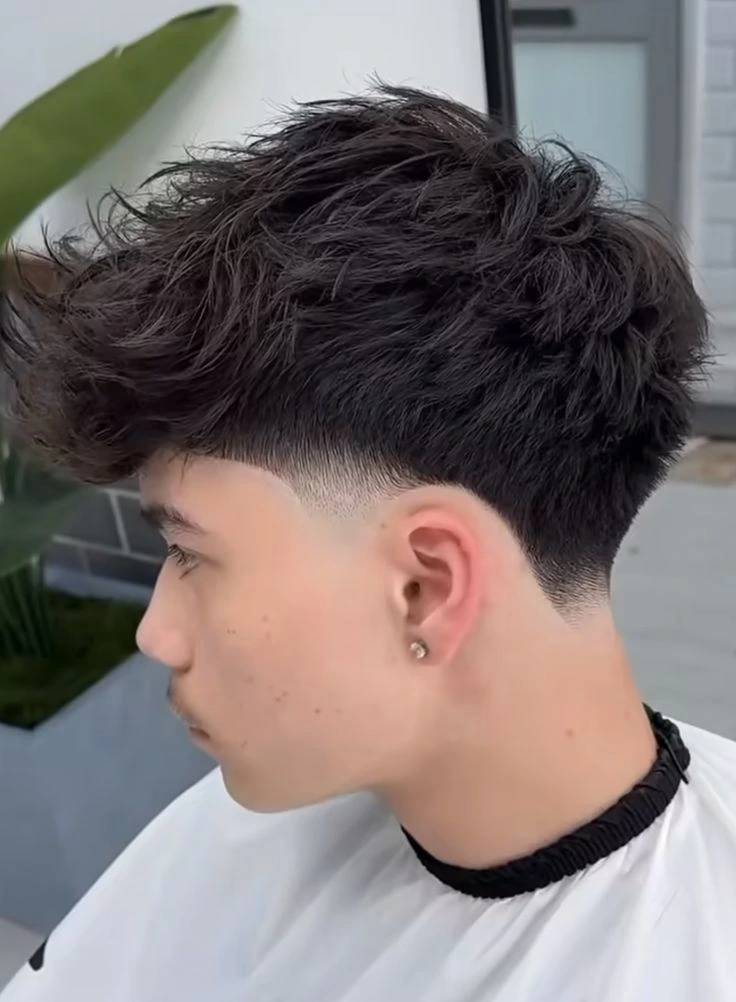
Straight hair often gets a bad rap for being “too flat” or “lifeless,” but that doesn’t mean it lacks potential. In fact, when styled correctly, straight hair can be one of the most versatile canvases for modern haircuts. The blowout taper with a textured fringe is a perfect example of how straight hair can be transformed into a dynamic, stylish look that works for both professional settings and casual weekends.
The main issue with straight hair is volume—or the lack of it. Without layers, texturing, or movement, hair tends to lie flat, making even the best haircut look dull. That’s where the blowout comes in. By focusing on lift at the roots and soft shaping on the mid-lengths, a blowout naturally amplifies volume without looking forced. The hair gains life and movement, which is especially important when paired with a taper.
The taper itself is more than just a fade; it’s a structural solution. By gradually shortening the hair on the sides and back, a taper creates a natural frame for the face. This framing is crucial for straight hair because it adds dimension and prevents the hair from appearing boxy or shapeless. The contrast between the longer, lifted top and the clean, tapered sides draws attention upward, highlighting facial features while keeping the overall look sleek.
Another advantage of the blowout taper is how it interacts with the textured fringe. Straight hair can sometimes lack personality, and a blunt fringe often feels stiff or dated. A textured fringe, however, introduces subtle movement at the front, softening the face and adding a modern edge. Combined with a blowout, the fringe appears airy and light, giving straight hair the illusion of thickness and body that many people struggle to achieve naturally.
A practical benefit of this haircut is its versatility. The tapered sides are low-maintenance, so even if you don’t style your hair every morning, the cut still looks sharp. Meanwhile, the top can be styled loosely with a quick blow-dry or minimal product to create different effects—from polished and professional to effortlessly casual. Straight hair benefits enormously from this adaptability because it can transition seamlessly between settings without requiring major effort.
Moreover, the blowout taper helps correct common straight-hair challenges, like limp ends or hair that sticks flat against the scalp. By creating lift at the crown and layering through the top, the haircut encourages natural movement and prevents the hair from clinging awkwardly. Even fine hair, which tends to be particularly flat, can appear full and textured with this approach.
In short, straight hair doesn’t need to be boring. The blowout taper textured fringe haircut leverages natural shine, clean lines, and controlled volume to make hair look dynamic, youthful, and sophisticated. It’s a haircut that respects the natural qualities of straight hair while enhancing them with strategic structure and style. Anyone tired of flat, uninspired hair will find that this look gives instant lift, effortless texture, and a contemporary edge that works in any situation.
The Magic of a Textured Fringe
The fringe—or bangs, as many call them—can completely transform a haircut. For straight hair, a textured fringe is far more versatile and flattering than a blunt cut. While blunt fringes can feel rigid, heavy, and dated, a textured fringe introduces movement, softness, and personality. It’s the subtle detail that elevates a simple blowout taper into a hairstyle that’s both modern and effortlessly stylish.
A textured fringe works with the natural fall of straight hair. Instead of cutting hair in a uniform line, layers are added to create separation and flow. This prevents the fringe from sitting flat or appearing one-dimensional. When combined with a blowout, the fringe gains lift and shape, framing the face in a flattering way and creating a dynamic transition from the tapered sides to the longer top.
One of the most appealing aspects of a textured fringe is its adaptability. For instance, it can be swept slightly to the side for a casual look or styled forward for a more dramatic, fashion-forward effect. This flexibility makes it ideal for anyone who wants a haircut that can easily transition from professional settings to social outings without needing extensive effort.
The fringe also plays a key role in balancing facial features. Straight hair can sometimes exaggerate angular features or elongate the face when left unshaped. A textured fringe softens these lines, creating a more harmonious overall appearance. Depending on face shape, the fringe can be slightly longer or shorter, but the textured approach ensures it never feels heavy or overbearing.
For those with fine or limp straight hair, the textured fringe adds the illusion of density. By layering and cutting strategically, the stylist can create movement and lift that make the hair appear fuller. This is particularly effective when paired with the blowout, as the roots gain volume while the fringe maintains a natural, airy look. Thick straight hair also benefits, as the texture prevents the fringe from looking blocky or flat.
Styling a textured fringe is surprisingly simple. A quick blow-dry using a round brush or fingers is often enough to set the fringe in place while enhancing natural movement. Light styling products, like volumizing mousse or curl-enhancing creams (yes, even for straight hair, a small amount works wonders for shaping), can help the fringe maintain its texture throughout the day. Overdoing products should be avoided to prevent flattening the hair or weighing it down.
Finally, the textured fringe adds an element of personality and modernity to the blowout taper. It is subtle enough not to overwhelm the haircut but distinctive enough to make the style memorable. It shows attention to detail and creates a polished yet relaxed vibe that works for multiple occasions. In short, the textured fringe is the perfect complement to straight hair, bringing life, movement, and effortless style to the blowout taper haircut.
Understanding the Taper
The taper is the backbone of the blowout textured fringe haircut. While the top provides volume and movement, the taper gives structure, balance, and definition. For straight hair, understanding how the taper works—and how it interacts with the fringe and blowout—is key to achieving a look that feels modern, intentional, and low-maintenance.
A taper isn’t just a fade. It’s a gradual shortening of the hair from top to sides and back, creating a natural transition that frames the face. The height and intensity of the taper can dramatically alter the overall appearance of the haircut. A low taper sits closer to the ears, offering subtle framing and a more understated look. Mid tapers are balanced, providing clear contrast between the voluminous top and the sleek sides, making them ideal for most straight hair types. High tapers are bolder, creating striking contrast and a sharper, more fashion-forward look.
For straight hair, the taper has an additional function: it manages volume. Straight hair tends to lie flat, which can make the top appear disconnected if the sides are too long. By tapering the sides, barbers create a visual funnel that directs attention to the textured fringe and the blowout on top. This approach prevents the haircut from looking boxy or lifeless, giving the hair a natural, lifted appearance.
The blending between the top and tapered sides is crucial. Straight hair shows harsh lines easily, so a smooth transition is essential. Skilled barbers often use point-cutting, clipper-over-comb, or scissor techniques to ensure that the taper feels seamless and the hair falls naturally. Poor blending can make a haircut look uneven, even if the top is perfectly styled.
Another key consideration is how the taper interacts with face shape. Tapers can accentuate or soften features depending on placement. For example, a higher taper can elongate a round face, while a mid taper provides balance for square or angular faces. This customization ensures the haircut complements not only hair type but also facial proportions.
The taper also contributes to styling flexibility. With clean, tapered sides, straight hair can be styled quickly in the morning without losing shape. Even if the top is messy or textured, the haircut retains a polished frame. This is why the blowout textured fringe combined with a taper is ideal for men who want a modern, professional look that doesn’t require hours of maintenance.
Finally, the taper enhances the versatility of products. Lightweight creams, volumizing mousses, or finishing sprays work best on the lifted top, while the tapered sides remain sleek and controlled. This contrast ensures the hair maintains movement and dimension throughout the day.
In short, the taper is not merely a stylistic choice—it is the structural element that makes the blowout textured fringe for straight hair functional, flattering, and modern. It creates harmony between volume, texture, and face shape, allowing straight hair to reach its full potential without appearing flat or lifeless. The right taper transforms the haircut from ordinary to effortlessly stylish.
Daily Styling Made Simple
A blowout taper with a textured fringe looks amazing fresh out of the barber’s chair, but the real test is maintaining that style day-to-day. Straight hair has the advantage of smoothness, but it can also lose volume quickly if not styled thoughtfully. The good news is that with the right techniques and minimal effort, keeping your haircut looking polished is surprisingly easy.
Start with the basics: washing and conditioning. Straight hair tends to show grease and flatness faster than curly hair, so a lightweight shampoo and conditioner are essential. Over-conditioning can weigh hair down, reducing the natural lift of the blowout. Use a conditioner sparingly on the ends and mid-lengths, avoiding the roots if you want maximum volume.
Blow-drying is the cornerstone of daily styling for this haircut. After towel-drying your hair to remove excess moisture, apply a lightweight styling product such as a volumizing mousse, texturizing cream, or root-lifting spray. These products enhance the natural movement of straight hair while providing subtle hold for the textured fringe. Avoid heavy waxes or gels, which flatten the hair and negate the lifted effect of the blowout.
When blow-drying, focus on the roots and fringe. Use a round brush or your fingers to lift sections of hair at the crown, sweeping the fringe lightly to the side or forward depending on your preference. Diffusing is optional but can help maintain natural movement and prevent flatness. The goal is not to create a stiff or overly polished look, but to enhance texture and volume naturally.
The tapered sides are low-maintenance, so they often require minimal styling. This is a major advantage of the blowout taper—it frames the face even when you’re in a rush. For the top, scrunching or lifting with fingers throughout the day can refresh volume without reapplying product. For straight hair, this small touch keeps the fringe and blowout looking dynamic rather than flat or lifeless.
For fine straight hair, layering is key. The textured fringe combined with a lifted top creates the illusion of thickness, which can be enhanced with a light volumizing spray or mousse. For thicker straight hair, minimal product is often better; the texture and natural weight are usually enough to keep the fringe controlled while the blowout retains its shape.
Another tip is to embrace the versatility of this haircut. The top can be styled sleek and forward for a professional look, or tousled and airy for casual occasions. Straight hair’s natural smoothness allows for easy transitions between these styles without the need for repeated blowouts or heavy styling.
Finally, maintain healthy hair. Regular trims every three to four weeks keep the taper clean and the fringe in shape. Avoid excessive heat or heavy products that can damage hair over time. By combining proper washing, lightweight products, and smart blow-drying, the blowout taper textured fringe becomes a daily ally rather than a time-consuming chore.
In essence, daily styling for straight hair with this haircut is about simplicity and control. With minimal effort, you can maintain volume, highlight the textured fringe, and keep the overall look fresh, polished, and modern. It’s a haircut designed to fit seamlessly into your lifestyle, giving professional appeal and casual versatility at the same time.
Hair Types That Nail This Cut
The blowout taper with a textured fringe isn’t just a one-size-fits-all haircut. Straight hair comes in a variety of textures and densities, and understanding how your hair type interacts with this style is key to getting the best results. Whether your hair is fine, thick, or medium in weight, the cut can be adapted to enhance natural characteristics while maintaining effortless style.
Fine straight hair is often challenging because it lacks natural volume. The blowout taper solves this by strategically layering the top and creating a textured fringe, giving the illusion of density. A mid taper works best here, adding shape to the sides while letting the top appear full. Using lightweight volumizing products, like mousse or texturizing spray, enhances the natural lift without making fine hair look stiff or greasy. Finger styling or a quick blow-dry is usually all that’s needed to maintain a polished appearance throughout the day.
Medium straight hair is the most versatile for this haircut. Its natural weight allows the blowout to hold shape easily, while the textured fringe adds dynamic movement. A low or mid taper is typically ideal, providing structure without overpowering the hair’s natural flow. Styling becomes simpler because the hair naturally holds the lift from the blowout and maintains the fringe’s texture without much intervention. Regular trims every three to four weeks keep the taper clean and the fringe in shape, ensuring the haircut stays sharp without heavy daily maintenance.
Thick straight hair, on the other hand, can appear heavy if not cut carefully. The blowout taper works by removing bulk through strategic layering and ensuring the sides are tapered to prevent a boxy appearance. The textured fringe adds softness, while the blowout lifts the top, giving movement to otherwise dense strands. Minimal product is usually sufficient here; overusing heavy creams or waxes can weigh hair down and flatten the blowout. Thick hair may require slightly more frequent trims to maintain the taper’s clean lines and the fringe’s airy texture.
Even straight hair with slight wave or irregular growth patterns benefits from this style. The taper provides a structured frame that keeps sides tidy, while the textured fringe smooths out uneven lengths and allows the top to move naturally. Blow-drying and finger-styling are all that’s needed to unify the look, making this haircut ideal for those who want a controlled style without forcing the hair into an unnatural shape.
Another advantage of this haircut across all hair types is its adaptability. Fine hair can appear thicker, medium hair stays dynamic, and thick hair is controlled yet full of life. Regardless of hair density, the combination of tapered sides, lifted top, and textured fringe ensures the haircut works for multiple settings—from casual weekends to professional environments.
In short, the blowout taper textured fringe straight hair is remarkably versatile. By understanding your hair type, you can adjust taper height, fringe length, and styling techniques to maximize the haircut’s potential. The result is a polished, modern look that enhances your hair’s natural qualities while providing volume, movement, and effortless style every day.
Face Shapes and Fringe Placement
A haircut isn’t just about hair—it’s about how it frames your face. The blowout taper with a textured fringe is versatile, but to truly make it work, you need to consider your face shape. The right fringe placement can balance proportions, soften angles, and highlight your best features, turning a great haircut into a truly flattering style.
For round faces, the challenge is creating length and avoiding excessive width. A textured fringe that’s slightly longer on the sides and lifted at the crown can elongate the face visually. The taper on the sides further enhances this effect, preventing the hair from adding unnecessary bulk. Sweeping the fringe slightly to the side rather than straight down softens the roundness and creates subtle angles that give the face more definition.
Square faces, characterized by strong jawlines and broad cheekbones, benefit from a fringe that introduces movement and softens angles. The textured fringe in this case should have layers and irregular lengths to break up the straight lines of the face. A mid or high taper works well here, as it accentuates the lifted top while keeping the sides clean and balanced. This combination ensures the haircut feels intentional, polished, and contemporary without overwhelming the natural structure of the face.
Oval faces are already considered the most versatile, but a textured fringe with a blowout can still enhance the look. For oval faces, fringe length and taper height can be adjusted freely to create subtle variations. A slightly longer fringe that gently frames the forehead adds personality without masking the face’s natural symmetry. The blowout lifts the top, maintaining volume and movement that keeps the hairstyle modern and dynamic.
Heart-shaped faces, with a wider forehead and narrower chin, can benefit from a fringe that adds softness around the brow line. Texturing the fringe prevents the hair from appearing flat or heavy, while the taper balances the overall proportions by slimming the sides. A light, airy blowout adds volume to the crown, harmonizing the face’s natural contours. Side-swept or lightly layered fringes work particularly well for heart-shaped faces, creating a relaxed yet flattering frame.
Long faces require strategies to avoid elongation. The fringe should be slightly fuller and textured to add width at the forehead, balancing the vertical length of the face. The taper can be lower to keep the sides controlled, while the lifted top from the blowout prevents the haircut from looking flat or stretched. Light layering through the fringe softens the overall look, giving straight hair a lively and well-proportioned finish.
The key takeaway is that the textured fringe isn’t just a stylistic detail—it’s a tool to enhance facial symmetry. Straight hair, with its natural sleekness, responds well to these adjustments. Combined with the structured taper and volume from the blowout, it allows customization for all face shapes. By working with a skilled barber who understands your facial proportions, you can ensure that every angle of your haircut is flattering and stylish.
Ultimately, matching fringe placement with face shape turns a simple haircut into a transformative style. The blowout taper textured fringe straight hair is designed not only to look great but to highlight your natural features, giving confidence and polish without requiring complicated daily styling.
Barber Communication Secrets
Even the best haircut can fall flat if you don’t communicate clearly with your barber. The blowout taper with a textured fringe may seem straightforward, but it relies on precision and understanding. Straight hair shows every line and layer, so knowing how to explain what you want is essential to achieving a polished, effortless style.
The first step is clarity. Bring reference images that show the exact look you’re aiming for. But don’t just hand over a picture and hope for the best. Barbers need context. Explain what you like about the photo: the height of the blowout, the texture of the fringe, the taper’s intensity, or the overall balance of volume. This helps the barber understand your priorities and adapt the cut to your hair type and face shape.
Specify your taper preference. Low, mid, or high tapers can dramatically change the look of straight hair. A mid taper is versatile, providing a clean frame while allowing the top to appear full and textured. A high taper creates bold contrast, and a low taper gives a subtle, understated effect. Telling your barber the exact taper height ensures the haircut aligns with your style goals.
Discuss the fringe in detail. For straight hair, the difference between a blunt and textured fringe is significant. Describe how you want it to move, whether you prefer side-swept layers or a slightly messy, airy look. Mention the length—too short can feel harsh, too long can overwhelm the face. Texture is key; it prevents the fringe from looking flat or heavy, so make sure your barber knows you want movement and dimension.
Talk about your daily routine and styling habits. If you typically blow-dry your hair, scrunch your fringe, or use light products, let your barber know. This allows them to cut in a way that complements your natural habits. Straight hair reacts differently to product and heat than wavy or curly hair, so sharing your routine ensures the cut remains practical and easy to maintain.
Ask questions during the cut. If the barber is tapering the sides, confirm the blending is smooth. If layering the fringe, check the texture feels natural. A skilled barber will welcome your input and adjust accordingly. The goal is collaboration, not micromanagement, but being engaged helps guarantee the haircut matches your vision.
Finally, trust professional expertise. Barbers have experience with various hair types and face shapes, so they understand how to adapt the blowout, taper, and fringe to your features. Combining their technical skill with your preferences ensures a personalized, modern haircut that enhances your straight hair’s natural shine and movement.
In short, communication is the bridge between a good haircut and a great one. By being clear about taper height, fringe style, styling habits, and desired texture, you give your barber the information needed to craft a look that’s precise, flattering, and easy to maintain. Straight hair, when cut and styled correctly, responds beautifully to a blowout taper textured fringe, and proper communication ensures every detail works in harmony.
Common Mistakes to Avoid
Even the most stylish haircut can lose its impact if common mistakes aren’t avoided. The blowout taper textured fringe straight hair is elegant, but straight hair requires attention to detail to maintain its structure and volume. Being aware of pitfalls helps you preserve the cut’s modern and effortless appeal.
One frequent mistake is over-blow-drying. Many assume more heat equals more volume, but too much blow-drying can flatten the hair, create frizz, or even damage strands. The trick is to focus on lifting at the roots and shaping the fringe while using moderate heat. Always use a heat protectant to shield hair from damage and maintain its natural shine.
Another common error is overloading hair with heavy products. Straight hair tends to show residue easily, and applying too much gel, wax, or cream can weigh down the blowout, flatten the textured fringe, and make the taper look sloppy. Instead, use lightweight mousses, volumizing sprays, or texturizing creams sparingly. This enhances lift and movement while keeping the haircut soft and natural.
Neglecting the taper is also a mistake. Fading too aggressively or unevenly can make the top appear disconnected or bulky. Blending the sides with the top is essential for straight hair, as harsh lines are easily noticeable. Schedule regular trims every three to four weeks to keep the taper clean and the fringe in shape.
Ignoring the fringe’s texture can ruin the overall aesthetic. A straight, blunt fringe may look stiff or outdated, while a textured fringe adds flow and modernity. Always ensure the barber layers and shapes the fringe according to face shape and hair density. Attempting to style it without proper texture will likely result in flatness or uneven movement.
Lastly, underestimating natural growth patterns is a frequent oversight. Straight hair grows uniformly, which can sometimes make the taper and fringe lose their defined shape over time. Understanding how hair naturally falls allows you to adjust styling techniques, refresh the blowout, and maintain volume without altering the cut’s integrity.
By avoiding these mistakes, you preserve the clean, structured sides, voluminous blowout, and soft textured fringe that make this haircut stand out. The key is balance: proper blow-drying, minimal product, attentive maintenance, and respecting your hair’s natural tendencies.
Maintenance Without Daily Effort
One of the reasons the blowout taper textured fringe straight hair is so popular is its low-maintenance nature. While it looks polished and modern, the haircut doesn’t demand hours of styling every morning. Understanding maintenance routines ensures your hair remains effortless yet stylish.
First, trimming is essential. The taper needs to stay clean, which usually requires a visit to the barber every three to four weeks. This keeps the sides tidy and prevents the haircut from looking boxy or uneven. The fringe may need a slight trim in between visits to maintain its shape and texture. Regular trims preserve the haircut’s structure while allowing the top to retain length and volume.
Next, use the right products sparingly. Lightweight styling creams, texturizing sprays, and volumizing mousses work best for straight hair. They enhance lift at the roots and highlight the textured fringe without weighing hair down. Heavy gels, pomades, or waxes are unnecessary and can flatten the blowout. Apply product to damp hair for the best results, focusing on mid-lengths and ends rather than roots.
Blow-drying is quick and effective when done correctly. Lift the hair at the crown and fringe with a round brush or fingers, creating volume while keeping sides sleek. A short, controlled blow-dry is often enough to refresh the style after washing. For days when you’re in a rush, finger-styling or light scrunching can revive the look without additional product.
Healthy hair practices contribute significantly to maintenance. Avoid excessive heat, deep-conditioning too often, or using heavy oils that can weigh straight hair down. Regular washing keeps hair fresh and ensures the blowout retains its lift. Lightweight conditioners or leave-in sprays can maintain shine and softness while supporting natural movement.
Finally, embrace the haircut’s natural versatility. The textured fringe allows slight adjustments in style—swept forward, to the side, or even tousled—without major effort. The tapered sides frame the face neatly, meaning the overall look remains polished even on casual days.
With consistent trims, minimal product use, and smart blow-drying, maintaining a blowout taper textured fringe straight hair becomes effortless. The haircut remains dynamic, modern, and stylish without daily overcomplication, making it an ideal choice for anyone seeking a low-maintenance yet high-impact hairstyle.
Products That Actually Work
Choosing the right products is essential for keeping a blowout taper with a textured fringe looking fresh and stylish. Straight hair can appear flat or lifeless without the right support, but lightweight, targeted products can enhance volume, define texture, and maintain the fringe’s airy movement.
For the top, volumizing mousses and lightweight creams are excellent choices. They provide lift at the roots, giving the blowout a natural fullness without stiffness. Apply a small amount to damp hair before blow-drying, focusing on the crown and fringe for maximum effect. Avoid heavy gels or waxes that can flatten straight hair and make the textured fringe lose its soft shape.
Texturizing sprays are perfect for maintaining movement throughout the day. They add subtle separation to the fringe and prevent the hair from looking uniform or flat. For a more controlled finish, a light finishing spray or hair lotion can help tame fly ways while keeping the natural bounce intact. Matte clays or light pomades are also useful, especially for thick straight hair. These products provide a bit of control on stubborn sections without weighing down the hair or ruining the airy feel of the blowout. Always start with a small amount and build as needed—less is more when it comes to maintaining natural volume.
For daily maintenance, leave-in conditioners or heat-protectant sprays are essential. They shield the hair from damage during blow-drying and keep strands smooth, shiny, and healthy. Choosing the right product combination depends on hair density, length, and personal styling habits, but the key is always lightweight, non-greasy formulations that enhance the haircut’s natural structure. With the right products, straight hair can look effortlessly stylish every day. From lifting the blowout to shaping the textured fringe, the correct creams, mousses, and sprays ensure your taper stays polished, modern, and full of life.
Frequently Asked Questions
What is this haircut?
A tapered sides haircut with a voluminous blowout on top and a textured fringe for movement.
Who can wear it?
Any straight hair type—fine, medium, or thick—customized for your face shape.
How often should I trim it?
Every 3–4 weeks to keep the taper clean and fringe in shape.
What products work best?
Lightweight creams, mousses, or texturizing sprays—avoid heavy gels.
Is it easy to style daily?
Yes. A quick blow-dry and finger styling maintain volume and texture effortlessly.
Does it suit professional settings?
Absolutely. Clean sides with a textured fringe balance style and sophistication.