Table of Contents
There was a time when men chased bold, high impact fades that almost demanded attention. But slowly, the trend shifted. Guys started looking for something cleaner, something that didn’t scream for the spotlight but still made them look sharp the moment they stepped out of the barber chair. That is where the low taper fade stepped in. It didn’t arrive with noise or hype. It simply became the favorite of men who understood style without trying too hard.
Walk into any modern barbershop now and you will hear familiar requests. Something neat. Something fresh. Something low maintenance. Something professional enough for work but trendy enough for weekends. The low taper fade checks every box. It sits low on the sides, blends gently, and gives a look that works on almost everyone. It became the cut men could trust even when trying something new.
The truth is, not everyone wants a high fade that shoots up the side of the head. Most men want balance. A haircut that matches real life, not just Instagram photos. Short hair has always been practical, but when paired with a low taper fade, it suddenly becomes stylish in the simplest way. You look put together without trying. You look groomed even on your messiest mornings.
The beauty of its rise is that no one pushed it intentionally. It grew because barbers loved the versatility. Stylists loved the shape. And men everywhere appreciated that they finally had a cut that worked with the natural flow of their hair. The low taper fade climbed quietly, but it became a staple because it simply makes sense for real people with real routines.
What makes the low taper fade special on short hair
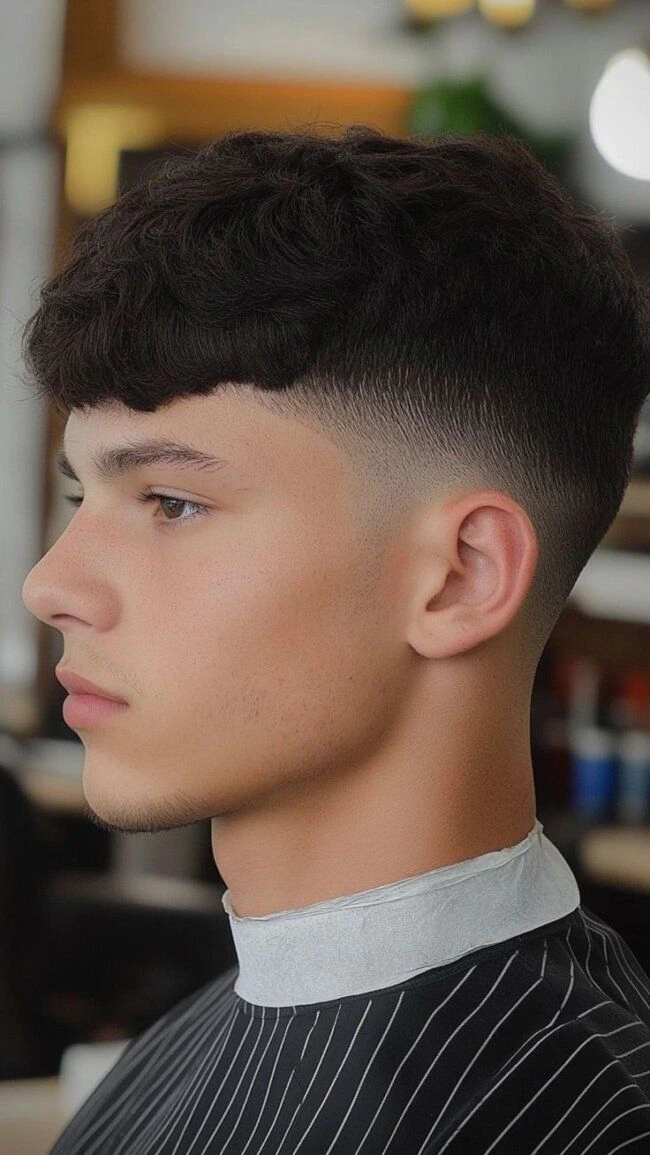
Short hair can look plain if not shaped well. That is why the low taper fade makes such a dramatic difference. It adds structure without stealing attention from the rest of the haircut. When the fade starts low near the ears and blends slowly upward, it gives the head a natural outline. Nothing feels forced. Nothing looks exaggerated. It is the kind of cut that feels simple at first, but the more you look at it, the more you notice how clean and strategic it really is.
Short hair needs balance. If the sides are too heavy, the head looks wider. If the sides are too light, the top looks disconnected. The low taper fade solves all of that by giving the perfect amount of transition. It keeps the hairline sharp but not aggressive. The clean edges around the ears lift the entire look without making it feel dramatic or intimidating.
For men with thicker hair, the low taper fade removes just enough weight to keep the sides under control. For men with finer hair, it adds shape so the haircut does not look flat. Straight hair gains clarity, curly hair gains definition, and wavy hair gains movement. It is rare for a fade to work well across all hair types, but the low taper fade does exactly that when the length on top is kept short.
Another reason it works so well is because short hair fades quickly. As it grows out, harsh lines become obvious. But a low taper fade grows out smoother than any other fade type. The regrowth stays soft, which means the haircut still looks good even after a couple of weeks. No awkward stages, no sudden bulk, no strange corners forming at the sides. Just a steady, clean appearance.
Short hair becomes sharper with a low taper fade not because the fade is dramatic, but because it is intentional. Every millimeter of blend matters, and when done correctly, the result feels effortless yet sophisticated.
Why subtle fades often look better than dramatic ones
A lot of guys assume a fade has to be bold to look good. But the truth is, subtle fades are the ones that age best. A dramatic fade grabs attention instantly, but a subtle fade holds attention longer. Think about it. A low taper fade does not fight for attention. It simply supports your natural features. That is why people often compliment a man with a subtle fade without even knowing why he looks better.
There is a psychological side to this. Humans naturally notice balance before anything else. A subtle fade creates balance without disrupting the shape of the head. It adds freshness without creating a harsh contrast. Dramatic fades, especially high fades, can sometimes overpower the face and make the haircut the main focus instead of the person.
Subtle fades make you look cleaner without making it obvious that effort was involved. It is a quiet improvement. A confident improvement. You do not look like you are trying to follow every trend. You just look like someone who understands what suits him. That kind of confidence is rare, and it is exactly what makes the low taper fade so appealing.
Another reason subtle fades win is because they work everywhere. You can walk into a boardroom, a classroom, a gym, or a date and the cut fits all environments. Dramatic fades can look out of place in professional settings or formal events, but a soft taper is universal. It blends into all lifestyles and social circles.
Finally, subtle fades grow out gracefully while dramatic fades lose their shape quickly. A high fade starts losing its sharpness after just a few days, but a low taper fade holds its structure longer. You don’t have to run back to the barber chair every week just to maintain your look.
Subtle fades are not just stylish. They are smart. They respect your face shape, your routine, and your personality without demanding attention.
How a low taper fade shapes the face
The right haircut can reshape your face more than you might think. The low taper fade is one of the few cuts that can enhance facial features without making the haircut itself look exaggerated. The reason is simple. When you remove weight from the lower sides of the head, the eyes naturally focus upward. That makes your face look longer and more defined.
Men with round faces love this effect because the fade gives the illusion of a slimmer outline. Men with square faces benefit because the clean edges sharpen the jawline. Men with oval faces gain a balanced structure that highlights symmetry. No matter which group you fall into, a low taper fade has a way of enhancing what you already have rather than completely changing your appearance.
The fade also helps balance the head’s width. When the sides are too thick, the face appears wider than it actually is. But when the sides are too heavily faded, the head looks narrow and top heavy. The low taper fade finds the perfect middle ground. It removes just enough bulk to keep the face sleek while preserving the natural shape of the head.
The clean line around the ears acts almost like a frame for the face. It adds a crispness that highlights the cheekbones. Even if you do not have a naturally chiseled face, the subtle angles created by the fade give the impression of structure.
For men with beards, the low taper fade blends beautifully into facial hair. It creates a smooth transition that makes the beard look more intentional rather than disconnected. For men without beards, the clean neck taper adds definition and freshness.
A low taper fade does not try to change who you are. It simply refines the natural lines of your face and guides attention where it should be.
When short hair and low taper become the perfect match
Short hair and low taper fades complement each other better than most people realize. Short hair is clean, convenient, and universally appealing. But without a taper, short hair can sometimes look too simple or too flat. Once the low taper enters the picture, everything changes.
Men with thick hair love this combination because the taper controls the sides without making the top too heavy. The fade keeps the hairline neat even as it grows out. Men with thin hair appreciate how the taper adds shape and prevents the haircut from looking too sparse. The fade brings structure that thin hair often lacks.
Curly hair becomes more defined with a low taper. When curls start right above the taper, they stand out in a controlled way that looks stylish instead of messy. Wavy hair gains movement. Straight hair gains clarity and sharper lines. Short hair is extremely flexible, but adding a low taper fade unlocks a polished version of whatever texture you naturally have.
Another reason this combination works so well is because it fits men of all ages. Young guys get a modern, fresh vibe that pairs well with street style and casual fashion. Older men appreciate how the taper makes the hairline look cleaner and more youthful without appearing like they are trying too hard.
Short hair also tends to grow quickly. Without a fade, it can start looking bulky on the sides after just a week. But a low taper fade short hair stretches the lifespan of the haircut. You get more time between barber visits without sacrificing appearance.
Whether you’re a student, a professional, or someone who just wants a simple routine, short hair with a low taper fade becomes the kind of cut that always works.
The role of lifestyle in choosing this style
A haircut should not only match your face. It should match your life. The low taper fade works well for men with busy schedules because it stays neat even when you skip styling. It works for students who want a clean look that fits school rules. It works for professionals who need grooming that matches formal workplaces.
If you work out regularly, the low taper fade keeps you cool and comfortable. Sweat does not get trapped around the sides, and the haircut remains fresh even after intense activity. If your job involves meetings or clients, the clean edges help you look polished without putting effort into styling every morning.
Men who do not enjoy spending time with hair products love the low taper fade because it requires almost no maintenance. Wake up, run your hands through your hair, and you’re ready. On the other hand, guys who enjoy styling also benefit because short hair with a low taper gives them a clean canvas for applying clay, wax, or gel.
The haircut also fits men who travel frequently. It is easy to manage, does not get ruined by humidity, and keeps its shape even in different weather conditions. You do not need to pack multiple grooming tools just to keep it looking sharp.
Your lifestyle influences how often you can visit the barber as well. The low taper fade grows out gracefully. Even three weeks later, the haircut still holds its structure. That is ideal for anyone who cannot sit in a barber chair every week.
If your routine demands simplicity, this cut supports it. If your style demands structure, this cut fits it. The low taper fade adapts to your lifestyle instead of demanding changes from you.
Barber insights that clients rarely hear
Barbers see your hair differently than you do. They look at its direction, thickness, density, and natural fall before deciding how to shape it. One thing many barbers mention is that the low taper fade is often the safest option for clients unsure about what they want. It gives a fresh look without taking risks.
Barbers also say most clients underestimate how important growth patterns are. A low taper fade works beautifully with cowlicks or uneven areas because the fade softens the transitions. Barbers prefer giving a low taper to someone with tricky growth because it hides imperfections rather than highlighting them.
Another insight is that men often ask for styles that do not suit their hair type. A good barber will recommend a low taper fade instead of a high or mid fade when the hair density is uneven. This creates a smoother finish and prevents the haircut from looking patchy.
Barbers also admit that many men do not communicate clearly. They say things like just do something clean. But clean means different things to different people. That is why barbers love when clients choose the low taper fade. It gives them enough structure to work with while leaving room for creativity on the top.
One more thing barbers often note is that clients worry too much about styling products. With a low taper fade and short hair, you don’t need much. A little texture adds life, but the cut itself does most of the work.
Barbers appreciate clients who understand the value of a subtle fade. It shows trust, and when you trust a barber, they give you their best work.
Simple styling tricks to make short hair look sharper
Short hair becomes effortless when you know a few simple tricks. You do not need ten products or complicated routines. A low taper fade already gives shape. You just need to support that shape a little.
Using a small amount of matte clay or light wax can give your hair natural texture. Avoid shiny gels unless you want a sleek look. Short hair looks best with movement, not stiffness. Work the product with your fingertips, not your palms, to keep the top textured rather than flattened.
If you have straight hair, using a bit of sea salt spray adds volume without making it look styled. If you have wavy or curly hair, a curl cream softens the texture and keeps the shape controlled.
A quick blow dry with your fingers can lift the top slightly. You don’t need a brush. Just push the hair upward gently as you dry it. This simple step makes the haircut appear fuller and sharper.
Keeping the neckline clean also makes a big difference. You can trim stray hairs with a small trimmer in between barbershop visits. It keeps the entire haircut looking fresh even after two weeks.
The goal is not to style heavily. The goal is to enhance what the fade already gives you. When you do that, short hair looks sharp every day.
How to ask your barber for the perfect low taper fade
Barbers love clarity. If you want a perfect low taper fade, start by mentioning the type of fade and the length you prefer on top. Tell your barber you want the taper to stay low around the ears and gradually blend upward without taking too much height from the sides. This gives them a clear roadmap.
Showing a photo is even better. Not to copy exactly, but to give your barber a visual direction. Every barber interprets words differently, but photos help them understand your style preference. You can use a simple haircut terminology guide to explain exactly how low you want the taper and how much length you want to keep on top.
Be honest about your hair routine. If you do not style daily, your barber will shape the top in a low maintenance way. If you enjoy styling, they will leave more length at the front for movement.
Avoid vague instructions like a little trim or make it clean. Instead say keep the top short, blend the sides low, and taper the neckline. Clear phrases make a huge difference.
Also let your barber know how often you can return. If you visit every week, they can give a sharper fade. If you visit once a month, they will make the fade softer so it grows out gracefully.
Good communication leads to good results.
Why the low taper fade stays in style year after year
Some haircuts rise and disappear. Others stay forever. The low taper fade belongs to the second group. It lasts because it adapts to everyone. It works on almost every face shape, every age, every lifestyle, and every hair type. It is modern without being tied to trends. It is clean without being basic.
The low taper fade stays relevant because people want simplicity. They want grooming that looks natural. They want a cut that makes them feel confident without shouting for attention. That is exactly what this fade delivers.
It also helps that the low taper fade looks good at all stages of growth. Even when the fade softens, the haircut still looks intentional. That is a huge advantage in real life, where not everyone can visit the barber constantly.
Year after year, the low taper fade remains popular because it hits the sweet spot between style and practicality. It is the kind of cut that becomes your signature look without much effort.
Final Verdict
A low taper fade short hair style is one of the most reliable choices for anyone who wants a clean, low-maintenance, and modern look. Its subtle blend keeps the sides sharp without overpowering your natural features, and the short top makes daily styling effortless. Whether you prefer texture, waves, or a neat combed finish, this haircut adapts easily to your routine. If you want a haircut that feels fresh, balanced, and timeless, the low taper fade is a smart pick.
FAQs (Frequently Asked Questions)
Is a low taper fade good for short hair?
Absolutely. A low taper fade blends beautifully with short hair because it adds structure without looking too sharp or dramatic. It keeps the sides clean while maintaining fuller texture on top, which makes styling quick and easy.
How long does a low taper fade last?
Generally, it stays sharp for around 2 to 3 weeks. After that, the fade begins to grow out and lose its crisp look. Many guys refresh it every 10 to 14 days if they want it to stay super clean.
Does a low taper fade suit all face shapes?
Most face shapes work great with a low taper fade short hair look. It’s especially flattering for round, oval, and square faces because it adds balance and definition without taking attention away from your natural features.
Is a low taper fade high-maintenance?
Not really. It’s much easier to maintain compared to mid or high fades. You don’t need intense daily styling. A bit of gel, wax, or matte clay is enough to keep the top in place. A quick trim every few weeks keeps the sides fresh.
What should I ask my barber to avoid a bad fade?
Show a reference picture and clearly mention that you want a low taper fade with short hair on top. Tell them whether you want a skin fade or a more subtle taper. Also mention your preferred length for the top so the blend matches your style.