Table of Contents
Most men think a taper is just a small detail. Something the barber handles in a couple of minutes before moving on to the top. But the truth is, the taper decides the entire mood of your haircut. It shapes how your face looks from every angle. It affects how sharp or soft your features appear. It even changes how your hairstyle grows out in the next two to three weeks. The difference between a low taper and a mid taper might look subtle on Instagram reels, but in real life, it can change the vibe you give off.
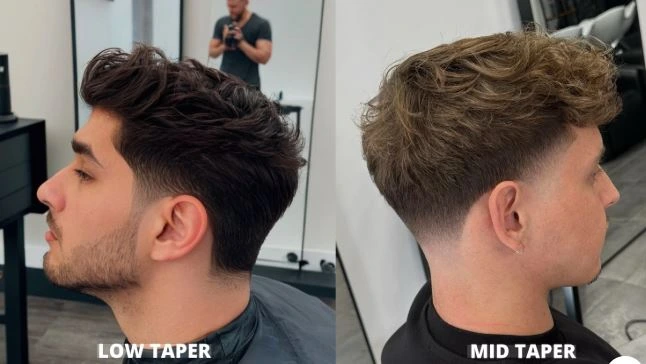
A low taper sits quietly around the ears and nape, almost hiding in plain sight. A mid taper, on the other hand, steps into the spotlight and adds a noticeable lift. Guys often underestimate how these tiny placements alter head shape. For example, if you have a wider face, the wrong taper can make it appear even wider. If your jaw is sharp, the right taper can sharpen it more or calm it down. And if you prefer low maintenance, a mid taper may grow out differently than you expect.
Barbers know this better than anyone. They choose taper heights with intention because they understand how hair complements facial structure. Many clients don’t realize how a fade line can highlight cheekbones or make the forehead appear smaller. So yes, the debate between low taper vs mid taper is more than just a haircut trend. It’s about choosing the kind of first impression you want to make. A well-chosen taper adds personality, balance, and clean edges that stay fresh even when the top of your hair loses shape. Once you understand how these tapers work, you’ll never ask for “just a fade” again.
What makes a low taper stand out
A low taper is the haircut equivalent of quiet confidence. It doesn’t scream for attention, yet it looks clean and polished from every angle. The fade begins just above the ears and continues softly toward the neckline. Because the transition sits so low, it keeps the natural shape of your head intact. This is why men who prefer a classic or gentle look gravitate toward low tapers. It’s subtle, but it still sharpens your overall appearance.
Barbers love low tapers because they work on almost every hairstyle. Long curls, short waves, quiffs, messy tops, even slick backs. The taper handles the cleanup around your ears and neck without touching the main body of your haircut. Many guys who work in professional environments choose low tapers because the fade doesn’t overpower the hairstyle. You look well kept, but not overly styled.
Another reason the low taper stands out is the way it grows out. Since the fade starts low, the regrowth is gradual. Even after three weeks, your haircut maintains a natural shape. You don’t get that sudden harsh line that some high fades create when they grow out. It is ideal for men who don’t visit the barber often.
The low taper is also popular among men with thicker or curlier hair. It cleans the edges without taking away bulk from the sides. Nothing feels better than a crisp outline around your ears and a clean neckline that still looks smooth and natural.
Most importantly, the low taper tells a story. It’s the style for men who want to look sharp but avoid anything too flashy. If your personality leans toward minimal, neat, and under control, a low taper fits right into your lifestyle. It’s simple, clean, and always dependable.
Why a mid taper hits differently
The mid taper brings a different kind of energy. It starts halfway between the temples and the ears, giving your haircut a more noticeable lift. While the low taper sits quietly in the background, the mid taper steps forward. It adds shape, creates visual height, and draws attention to the top of your hairstyle. This is why barbers often recommend it for men who want a fresh, modern look.
A mid taper works especially well with volume. If you style your hair upward, forward, or into a textured shape, the mid taper makes the top stand out even more. It frames your face like a spotlight. When done right, it can make your cheekbones look sharper, your jawline more defined, and your overall profile more athletic.
Another reason the mid taper hits differently is the contrast it creates. The blend is more visible because it starts higher. This gives your haircut that trendy edge you see on celebrities and influencers. It’s clean but bold. Neat but noticeable. Young but mature enough for everyday wear.
The mid taper also helps balance thicker sides. If your hair poofs out or gets heavy quickly, a mid taper controls the width while keeping a rounded silhouette. Men with curly or wavy textures often choose mid tapers to manage volume without losing shape.
But the mid taper is not just about the look. It’s also about how it feels. The sides get lighter, the head feels cooler, and styling becomes easier. The haircut stays clean longer because the fade is placed at a level that disguises regrowth.
In simple words, the mid taper adds personality. It’s perfect for men who want a stylish cut that doesn’t feel too intense or too subtle. It is the sweet spot between clean and bold which is why it remains one of the most requested fades in barbershops.
Low taper vs mid taper how each style shapes your face
People often look at a haircut in isolation. They forget that hair is not just on your head. It is a frame for your face. The difference between a low taper and a mid taper might seem tiny on the sides, but it can completely shift how your features appear. Think of it like changing the angle of a photograph. The same face looks different depending on how it is framed.
A low taper keeps most of your natural head shape untouched. Because the fade starts lower, it maintains the width of your sides. This is great for men with narrower faces because it gives a balanced, grounded look. It also softens sharp facial angles and keeps everything looking calm and controlled. If your jaw or cheekbones are too pronounced, a low taper keeps things subtle so your features do not look harsh.
The mid taper, however, is designed to reshape. Since it begins higher on the sides, it visually lifts your hairstyle. This gives the illusion of a longer vertical line. Men with round or wide faces often benefit from this because it adds height and reduces visual width. The mid taper also brings more attention to your cheekbones. The fade line acts almost like contouring. It highlights structure and makes your face look more defined from the side and front.
Both tapers also change your profile. A low taper blends softly into the neck, giving a natural silhouette. A mid taper adds a little more sharpness, creating a cleaner and more styled outline around the ears.
Understanding how these small details affect your face shape helps you make a smarter choice. The right taper should support your facial structure, not fight against it.
Which face shapes match low taper best
The low taper works incredibly well for a variety of face shapes because of its subtle nature. It does not cut into the sides too aggressively, which means your natural proportions stay intact. If you have an oval face, the low taper becomes your best friend. Oval shapes are already naturally balanced and do not need dramatic adjustments. This taper keeps everything polished without drawing unnecessary attention to the sides. To understand your exact facial structure, you can quickly check an online face shape analyzer before deciding between a low taper or mid taper.
Men with longer faces also find the low taper useful because it prevents extra vertical height. A higher fade can sometimes make a long face look even longer. But a low taper keeps the weight on the sides, providing visual balance. You do not end up looking like your hair is stretching your face upward.
If your face is heart shaped, with a wider forehead and narrower chin, the low taper helps soften the contrast. A mid or high fade can make the forehead appear broader. The low taper keeps width near the bottom, helping the jawline look more proportionate.
Round face shapes can still wear a low taper, but with caution. It works best when paired with a hairstyle that adds height or structure on top. Otherwise, the lower fade might maintain too much width. Still, it remains a solid choice for men who want a conservative or natural look.
The low taper also benefits men with sharp jawlines who prefer a smoother appearance. Because the fade sits low, it does not carve out your features too intensely. Your face looks clean but not overly sculpted.
Overall, the low taper suits men who prefer clean edges without bold transformations. It complements natural symmetry, enhances classic styles, and avoids making strong features too overpowering.
Lifestyle factors guys forget when choosing a taper
Most men choose haircuts based on photos or trends. What they forget is that their lifestyle shapes how well the haircut works day to day. A low taper and mid taper may look similar in a barber chair, but their maintenance and feel change depending on how you live.
If your schedule is packed and you visit the barber once every three to four weeks, the low taper fits your routine. Because it sits low, it grows out naturally. You will not see harsh lines forming on the sides after a week. The fade stays subtle, and you do not need daily styling to keep the haircut looking fresh.
Men who are very active or spend time outdoors might prefer a mid taper. The lighter sides keep you cooler, and the haircut stays clean even after sweat or long days. The mid taper also works better for men who wash their hair often or use styling products. It maintains its shape even with frequent restyling.
Work environment plays a big role too. If you work in a conservative office, a low taper gives you a clean but understated look. If you are in a creative field or prefer a modern, youthful vibe, the mid taper fits your image better.
Another overlooked factor is styling habits. If you rarely style your hair, a low taper keeps things easy. If you like lifting the front or adding texture, the mid taper enhances the shape.
Your natural hair growth pattern also matters. Some men grow thicker hair around the ears and temples. A mid taper helps manage this area better. Others grow softer, slower hair, which makes a low taper more reliable.
Choosing the right taper is not only about your face. It is about how your haircut behaves in your everyday life.
What barbers say when no one is listening
Barbers see hundreds of faces every month. They know which taper works for which person long before the client explains what they want. When you sit in their chair, they study your head shape, your hair density, your growth patterns, and even your personality. There are things they wish clients understood.
One of the biggest secrets is that men often choose tapers based on trends instead of suitability. Barbers say that many clients with wide or round faces ask for low tapers that only make their face look wider. Meanwhile, men with narrow faces often request mid fades that hollow out their sides too much.
Barbers also notice that clients underestimate how much hair texture affects a taper. Thick and curly hair tends to lift naturally. A low taper might disappear too quickly, while a mid taper adds structure. On the other hand, fine hair may look too thin with a mid taper.
Another thing barbers mention is the importance of communication. Men often say do whatever looks good, but barbers admit that every client has a different idea of good. A clear preference always helps them execute better.
Barbers also talk about maintenance. Many men ask for sharp mid tapers but return six weeks later with regrowth that would have looked better with a low taper. They say it is important for clients to be honest about how often they can return.
Finally, barbers agree that confidence matters more than trends. The right taper is the one that makes you feel like your best self, not the one that matches a celebrity look.
How to tell your barber exactly what you want
Getting the perfect taper starts with communication. Barbers are skilled, but they are not mind readers. The best way to get exactly what you want is to explain clearly, show examples, and understand the basics of the cut.
Start by telling your barber whether you want a low taper or a mid taper. Do not just say taper fade. Those words leave too much room for interpretation. Mention the height you prefer around the ears and the connection toward the back of the neck.
Bring a photo. Pictures remove guesswork and help barbers understand your taste. Make sure the photo shows someone with a similar hair type or head shape. A style that looks good on straight hair might differ on waves or curls.
Explain how you style your hair daily. If you do not use products or do not have time to style, tell your barber so they choose a taper that grows out smoothly. If you like volume or texture, mention that too.
Talk about how often you visit the barbershop. If it is every two weeks, a mid taper might be perfect. If it is once a month or longer, a low taper will stay cleaner for more time.
Do not be shy to ask your barber for suggestions. They know what works with your face shape. Let them give feedback and adjust details.
A short, simple conversation creates a much better outcome than staying silent and hoping for the best.
Final verdict choosing the taper that makes your features pop
Choosing between a low taper and a mid taper comes down to understanding your face shape, your hair type, and your everyday lifestyle. If you want something subtle, natural, and easy to maintain, the low taper is a dependable choice. It keeps your head shape balanced and supports classic hairstyles. It is ideal for oval, heart, and longer faces or for men who prefer a clean, understated look.
The mid taper shines when you want extra structure. It creates a visual lift that helps round or wider faces look slimmer. It shapes the sides more noticeably and enhances styles that rely on volume or texture on top. Men with thicker or curlier hair often appreciate the extra control it provides.
Both tapers are strong choices. Neither is wrong. The right one is simply the one that balances your features and fits your lifestyle. Once you understand how each taper affects your shape and your daily routine, you can confidently tell your barber exactly what you want.
FAQs (Frequently Asked Questions)
Which fade lasts longer, low taper or mid taper
Low tapers usually last longer because the fade sits lower and grows out naturally. Mid tapers show regrowth sooner.
Is a low taper good for school or office settings
Yes, it is clean, simple, and professional without looking too bold.
Does a mid taper work well with curly or thick hair
Absolutely. It removes bulk, improves shape, and controls puffiness.
Can round faces wear low tapers
They can, but a mid taper often gives better balance by reducing width.
How do I know which taper suits me
Look at your face shape, your hair texture, your job, and how often you visit the barber. Low for subtle and long lasting. Mid for sharper and more modern.