Table of Contents
The Hispanic Mexican low taper fade did not appear out of thin air. It grew from real neighborhoods, real barbers, and real stories. If you have ever stepped into a barbershop in a Mexican or Hispanic community, you can almost feel the energy. Clippers buzzing, people laughing, music playing softly in the background. Styles get passed around the same way conversations do. Someone walks in with a fresh cut, and suddenly half the neighborhood wants it too. That is how this low taper fade slowly became more than just a haircut. It turned into a signature look.
Mexican and Hispanic barbers have always taken pride in clean work. Sharp lines, smooth blends, and a crisp neckline were never optional. They were expected. Over time, barbers began experimenting with lower fade placements, keeping the taper close to the ears and neckline instead of pushing the blend high. It allowed men to keep their natural hair texture on top while still showing off a clean, polished finish on the sides. That small shift became a game changer.
The look spread through music, sports, and social media. Influencers and artists showcased it, but it was the everyday guys who carried it forward. The style traveled from local barbershops to mainstream fashion because it was simple, fresh, and full of cultural identity. Today, the Hispanic Mexican low taper fade stands as a blend of tradition and modernity. It is rooted in community pride yet flexible enough to fit almost any lifestyle.
Why the low taper works for so many hair types
One of the biggest reasons the Hispanic Mexican low taper fade has taken over barbershops is its ability to adapt. Some cuts only suit a few textures, but this one plays well with almost everything. Whether someone has straight strands, wavy flow, or tight curls, the low taper fade knows how to complement it instead of fighting against it. That is what makes the style so dependable. It never looks forced.
For men with straight hair, the low taper gives structure. Straight hair can easily fall flat or look too simple when left unshaped. By fading the sides low and clean, the top stands out more. It creates a natural contrast that makes straight hair look intentional instead of plain. A little texture powder or a quick blow dry is often enough to bring the whole style together.
Wavy hair, on the other hand, blends beautifully with the low taper. The waves already add movement, and the taper just sharpens the edges. It keeps the sides neat while allowing the natural pattern on top to shine. Wavy hair looks fuller and more balanced with this cut, and the fade prevents the look from becoming too bulky.
Then there are curls. Curly hair can be unpredictable, but the low taper gives it a frame to work with. Instead of trying to control every curl, the cut simply keeps the edges tight and let the curls form on their own. This creates a mix of order and freedom that looks effortless. The style highlights the curl pattern without making the haircut look heavy.
The magic of the Hispanic Mexican low taper fade lies in its simplicity. It shapes the face, enhances natural texture, and gives a clean finish without removing the character of the hair. That is why it works for so many people and why it continues to grow in popularity.
Key elements that define the haircut
What makes the Hispanic Mexican low taper fade stand out is not just the clean look, but the small details that give it character. A lot of people think a fade is just a fade, but barbers know better. Three cuts can look similar from a distance, yet completely different up close. This particular style has a few signature elements that set it apart from the rest.
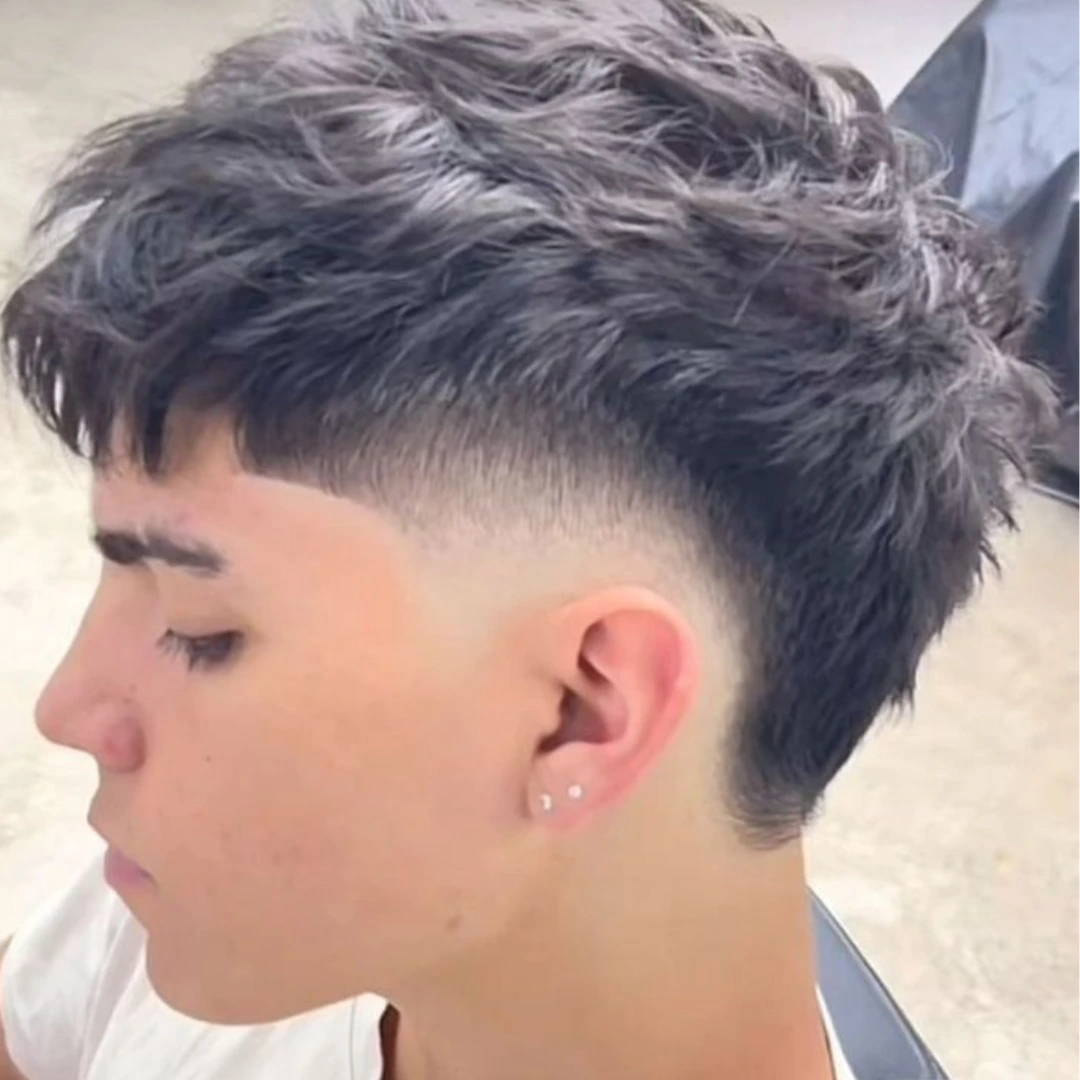
The first is the fade placement. A true low taper sits right around the ears and along the neckline. It never climbs too high. That controlled placement creates a gentle blend that keeps the sides neat while allowing the top to maintain its natural fullness. When done well, the fade looks smooth and gradual, almost like it melts into the skin. This is the foundation of the entire cut.
The second key element is the detail work around the neckline. Instead of an overly sharp box shape, most Hispanic Mexican tapers use a softer curve that still looks crisp but not too harsh. It gives a polished finish without losing the natural flow of the haircut. A clean neckline can make even a simple style look fresh.
Then come the sideburns. They are usually tapered in a way that matches the fade, creating a seamless transition from facial hair to haircut. Whether someone has a beard or prefers a bare face, the taper around the sideburns is what keeps everything looking balanced.
Finally, the top length matters. The style is meant to highlight the natural texture, so barbers typically leave enough hair for movement. A little volume goes a long way. When the top is shaped correctly, it complements the low taper instead of competing with it.
These elements together create the classic look people recognize instantly. The precision, the balance, and the way everything connects is what defines the Hispanic Mexican low taper fade and keeps it a favorite in barbershops everywhere.
Choosing the right length on top
The length on top can completely change the personality of a Hispanic Mexican low taper fade. Two people can get the same taper and neckline, yet look totally different depending on how much hair they keep above the fade. That is why choosing the right top length is not something to rush. It is what decides whether the final look feels sharp, relaxed, bold, or subtle.
Shorter lengths work best for men who want easy styling. If the top is kept just long enough to add a little texture, the style stays clean with almost no effort. A quick brush through or a small amount of product is usually enough to keep everything in place. This option is great for guys who prefer a neat, low maintenance finish that still has a modern edge.
Medium length is where many people find the sweet spot. It adds movement without getting messy. Wavy hair looks more defined and straight hair gains volume with a bit of lift. This length also allows the fade to stand out more, since there is a clear contrast between the top and the tapered sides. It is a balanced choice that suits both casual and professional settings.
Longer tops create the most dramatic look. When the hair is left long enough to show off curls or thick waves, the low taper becomes a frame that holds everything together. This is ideal for men who want their hair to make a statement without going overboard.
The key is choosing a length that fits your routine, face shape, and natural texture. When those three line up, the haircut always turns out sharp and confident.
Styling secrets from barbers
Barbers who work with the Hispanic Mexican low taper fade every day know a few tricks that make the haircut look its best. Most guys think they need a shelf full of products, but barbers usually keep it simple. The first secret is starting with clean, slightly damp hair. Hair behaves differently when it is too wet or too dry, so that middle point helps products spread evenly without weighing the hair down.
For straight or wavy hair, barbers often reach for lightweight creams or texture sprays. These products add volume without creating a stiff look. A quick blow dry with the air directed upward gives the top a natural lift that lasts through the day. It is a small step that makes a big difference in how the haircut sits.
Curls need something different. Barbers prefer curl creams that define the pattern while keeping the curls soft. The goal is to maintain shape without making the hair crunchy. A little scrunching with the fingers is usually enough to bring the curls to life.
The last secret is not overworking the style. A low taper fade already looks clean on its own, so the top just needs a light touch. When the right product meets the right technique, the whole look becomes effortless and fresh every time you step out the door.
How to maintain the fade between appointments
A Hispanic Mexican low taper fade looks its best right after you leave the chair, but keeping that sharp look in place between visits takes a little care. You do not need professional tools or hours of effort. A few simple habits can stretch the life of your fade and keep it looking clean long after your last appointment.
The first thing barbers always mention is keeping the edges tidy. As the hair grows, the taper itself stays blended for a while, but the small hairs around the ears and neckline start to show. A quick touch up at home with a small trimmer makes a huge difference. You do not need to recreate the fade. Just clean the loose hairs on the neckline and around the ears to keep the shape from looking fuzzy.
Another smart habit is managing the top. When the top gets too long, it can make the taper look less defined. Regularly brushing your hair or using a light product keeps everything in place and prevents the top from overshadowing the clean sides. A little styling goes a long way.
Moisture also matters. Dry hair grows out unevenly and tends to stick out around the faded areas. Using a leave in conditioner or a light oil keeps the hair soft and easier to manage. This helps the fade grow out smoothly instead of looking rough.
If you work out often or sweat a lot, rinsing your hair after exercise keeps the blend looking clean. Sweat makes the sides look darker and heavier, so a quick rinse helps maintain that fresh finish.
Finally, knowing when to book your next cut is key. Most low tapers look sharp for two to three weeks depending on hair growth. Keeping a regular schedule ensures you never cross into the overgrown phase where the fade loses its shape.
Small habits make a big difference, and when you stay consistent, your cut stays crisp until the next visit.
Matching the cut with your personal style
A Hispanic Mexican low taper fade is flexible enough to match almost any personal style, which is one reason it remains so popular. The cut can lean casual, sporty, polished, or bold depending on how you carry it. The key is understanding how the haircut blends with your everyday look instead of trying to copy someone else’s vibe.
If you prefer a laid back style with simple outfits and minimal grooming, the low taper works perfectly. It keeps the sides clean so even a relaxed fit hoodie or plain tee looks more intentional. The cut adds structure without demanding heavy styling.
For a more athletic or active lifestyle, the fade stays neat even after long days or workouts. Sweat does not ruin the shape easily, and the top can be styled in seconds before you head out again. It is dependable and fresh, which fits perfectly with a fast paced routine.
If your style leans polished, the low taper pairs well with button ups, jackets, and cleaner fits. A bit of volume or a smooth comb over on top can elevate the entire look.
This haircut adapts to who you are. Whether you dress sharp or keep things simple, the low taper fade supports your style instead of competing with it.
Mistakes that ruin the look
Even though the Hispanic Mexican low taper fade is one of the cleanest and most reliable cuts you can get, it is still possible to walk out of the shop with a result that looks nothing like what you expected. Most bad outcomes come from small mistakes that are easy to avoid once you know what to watch for. Understanding these common errors can help you protect your style and make sure your fade always looks sharp.
One of the biggest mistakes is placing the taper too high. A true low taper sits close to the ears and neckline. When a barber takes the fade higher than intended, the look starts drifting toward a mid or high taper. This changes the overall shape of the haircut and removes some of the natural fullness that makes the style appealing. If you want the authentic version, it is important that the fade stays low and controlled.
Another common mistake is thinning out the top too much. The low taper depends on contrast. If the top is cut short or layers are taken incorrectly, the haircut loses the dimension that makes it stand out. The top needs enough length to balance the clean sides.
Uneven blending is also a problem. A low taper should move from one length to another smoothly. Any harsh lines, patches, or dark spots interrupt the flow of the fade. This often happens when the barber rushes or uses the wrong guard. A clean fade should look smooth in every lighting angle.
Finally, skipping edge control can ruin the entire look. Messy sideburns or a rough neckline pull attention away from the fade. Simple cleanup work makes a huge difference.
Avoiding these mistakes ensures that your Hispanic Mexican low taper fade looks polished, balanced, and true to its signature style every time.
A barber ready way to ask for this style
Knowing how to describe the Hispanic Mexican low taper fade clearly can save you from a lot of frustration in the chair. Barbers are talented, but they are not mind readers. A few simple phrases can make sure both of you are visualizing the same haircut. The first thing to mention is that you want a low taper. Saying low is important because it sets the placement of the fade. It tells the barber to keep the blend close to the ears and neckline instead of taking it higher.
Next, explain what you want to keep on top. This is where many people stay quiet and end up with a shorter or longer result than they expected. Tell your barber if you want the top kept natural, textured, curly, or slightly longer for styling. Even a quick reference like keep some volume or leave enough length for waves gives them direction.
If you have a preference for your neckline, mention it. Some guys like it sharper, while others prefer a softer rounded finish. Either one works with this fade as long as you communicate it.
Finally, showing a clear photo is always helpful. Barbers work best with visual references. A short explanation paired with a picture ensures you get exactly the version of the low taper fade you have in mind.
Who this cut suits best
The Hispanic Mexican low taper fade is one of those rare styles that fits a wide range of people, but there are certain individuals who truly get the most out of it. Men who want a clean and polished look without losing their natural texture are the perfect match for this haircut. The low taper keeps the sides sharp while allowing the top to show personality, which works especially well for straight, wavy, and curly hair.
This style also suits anyone who likes a balance between casual and refined. If you want a haircut that looks good at work but still matches weekend outfits, the low taper fade delivers that flexibility. It never feels too formal or too laid back. It simply blends in with your routine.
Guys with active lifestyles benefit from this cut as well. The low taper stays neat even after workouts and long days, and a quick touch up in the mirror can refresh the whole look. It is practical without sacrificing style.
Face shape plays a role too. The cut works best for oval, square, and round faces because the fade adds structure and creates a more defined outline.
Overall, it is ideal for anyone who wants a fresh, modern, and adaptable hairstyle that always looks clean.